Where Sydney’s sandstone headlands meet the birthplace of Botany Bay’s botanical story
Overview
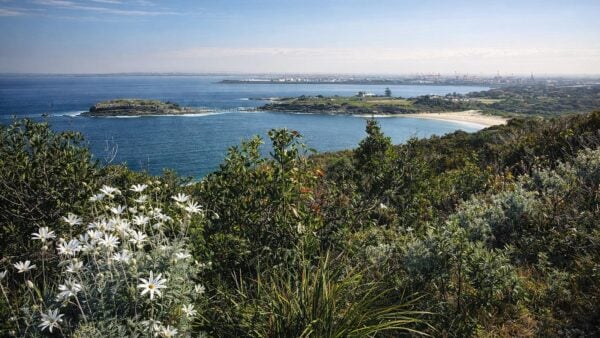
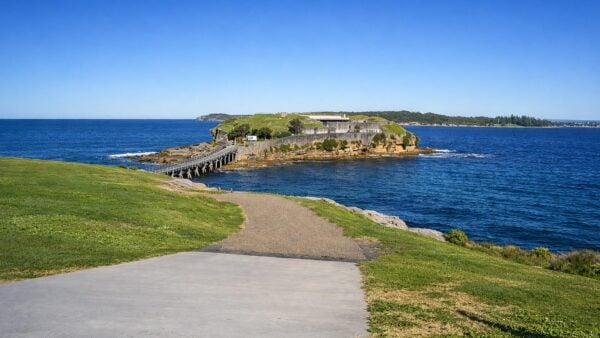
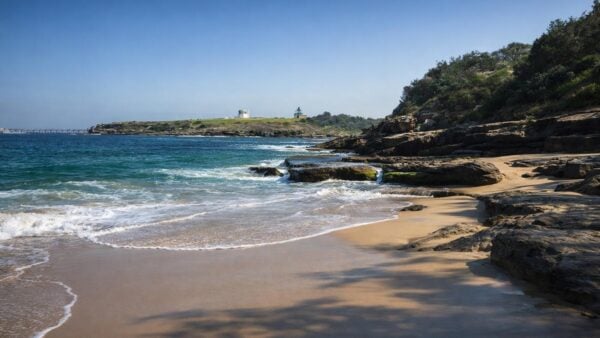
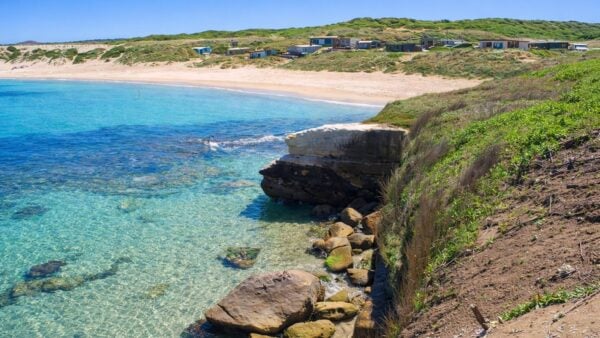
Kamay Botany Bay National Park protects the northern and southern headlands at the entrance to Botany Bay, with one section at La Perouse and the other at Kurnell in southern Sydney. Together they cover about 456 hectares and more than 13 kilometres of coastline, combining exposed cliffs, sheltered coves, beaches, dune country and pockets of remnant coastal vegetation in a remarkably urban setting.
What makes this park feel different from many others around Sydney is the way its natural character sits right alongside nationally important heritage. The headlands frame the entrance to the bay, the coast is cut into Hawkesbury sandstone, and the landscape still holds enough native vegetation to show something of the country that once surrounded the bay.
Highlights
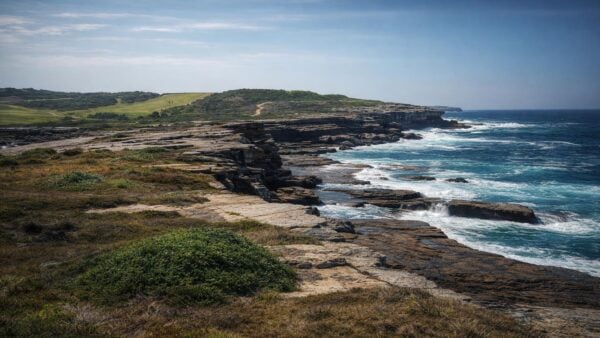
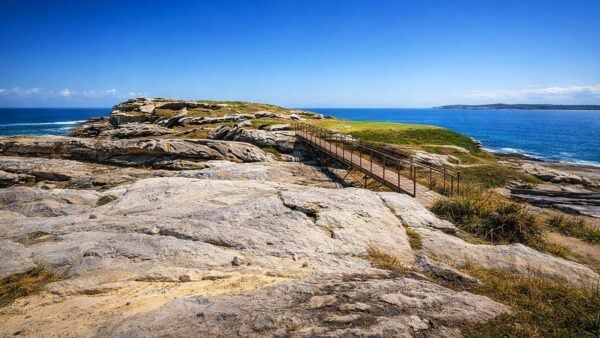
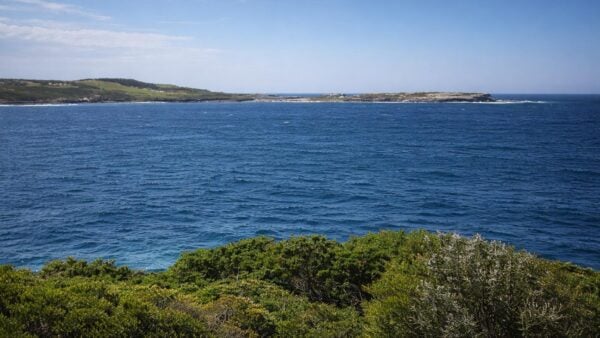
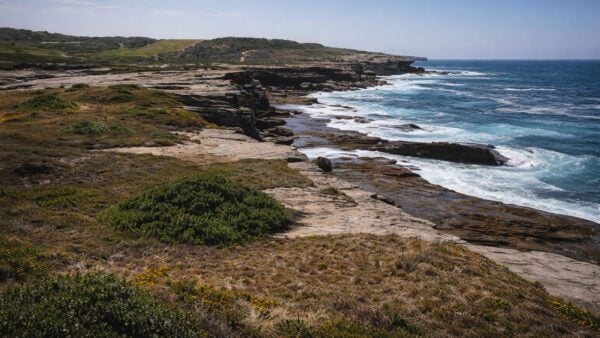
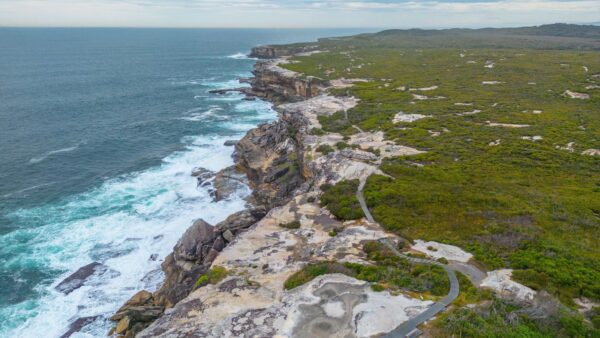
The park’s strongest drawcard is its coastal setting. Sandstone cliffs rise above the entrance to Botany Bay, with broad views over the Pacific on one side and the bay on the other. Around the headlands, the scenery shifts between rocky platforms, small beaches, low heath and wind-shaped scrub, so the landscape never feels uniform.
Kurnell is especially known for its clifftop outlooks and open ocean exposure, while La Perouse has a more varied mix of headland scenery, coves and reef-fringed shoreline. Inside the bay, seagrass meadows soften the water’s edge, while the outer coast feels sharper and more rugged.
Best Time to Visit
Kamay works well year-round, but the most comfortable walking weather is usually in the milder months from autumn to spring. The park sits in Sydney’s temperate coastal climate, with warm summers and rain possible at any time of year, so there is no true dry season to plan around.
Spring is a particularly rewarding time if you enjoy coastal wildflowers and fresh growth in the heath. The cooler months also tend to suit the more exposed headlands, where the sea breeze and open clifftops are part of the experience.
Plants and Animals
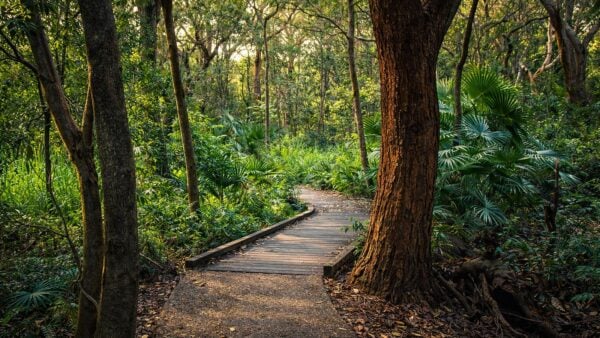
This is one of Sydney’s most botanically important coastal parks. Large areas of remnant vegetation survive across the headlands, including heath, scrub, dune vegetation and sandstone-based plant communities. The Kurnell and La Perouse sections still retain living descendants of many of the plant species collected here in 1770, and 114 of the 132 species recorded from those early collections still occur naturally across Kamay Botany Bay.
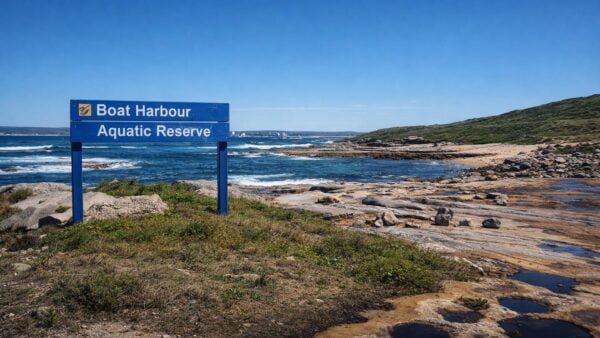
The park also supports several threatened plant and animal species. Its habitats range from exposed cliff edges to sheltered bay environments, which helps explain the variety of life packed into a relatively small area. On the water side, the contrast between rocky reefs near the bay entrance and seagrass meadows further inside the bay adds another layer to the park’s ecological character.
Culture and Heritage
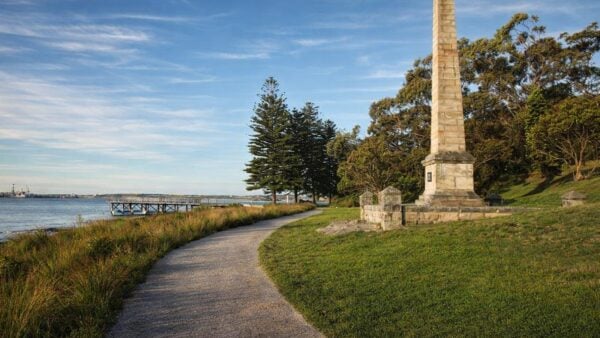
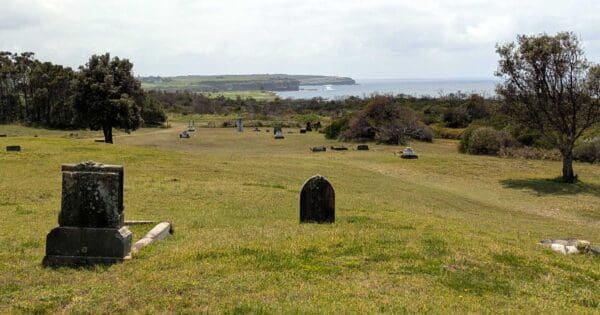
Kamay Botany Bay is a place of deep Aboriginal significance, with a long history of use and connection to Country that extends back thousands of years. It is also recognised as the site of the first recorded encounter between Aboriginal Australians and the crew of the Endeavour on the east coast in 1770, giving the park an important place in both Aboriginal history and the wider history of Australia.
The park’s heritage is also closely tied to botany. Plant collections made here by Joseph Banks and Daniel Solander in 1770 became one of the best known early botanical collections from Australia and played a major role in introducing the flora of the east coast to European science. That legacy is one reason Kamay Botany Bay holds National Heritage significance today.