Sandstone Canyons, Pagoda Country and the Secret of the Wollemi Pine
Overview
Wollemi National Park is one of the great sandstone landscapes of New South Wales, stretching across about 488,620 hectares on the north-west fringe of the Sydney Basin. It sits within the Greater Blue Mountains World Heritage Area and links with other major conservation areas, which helps give the park its immense scale and unbroken feel. From Sydney, it lies a few hours to the north-west, with places such as Lithgow, Kandos and Rylstone acting as common gateways to different parts of the park.
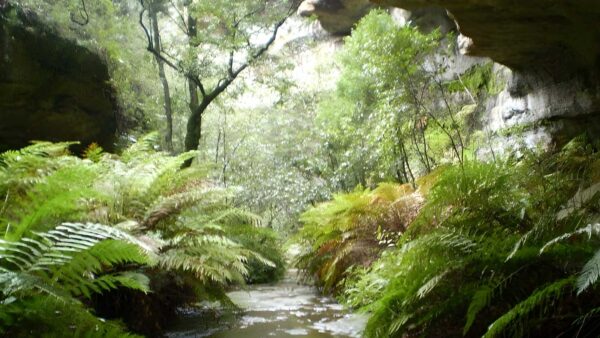
What gives Wollemi its character is the sheer variety packed into that broad area. There are towering escarpments, deep gorges, winding rivers, forested valleys and isolated sandstone country that still feels remarkably remote. It is also the park where the Wollemi pine was rediscovered in 1994, adding a rare botanical significance to scenery that was already extraordinary.
Highlights
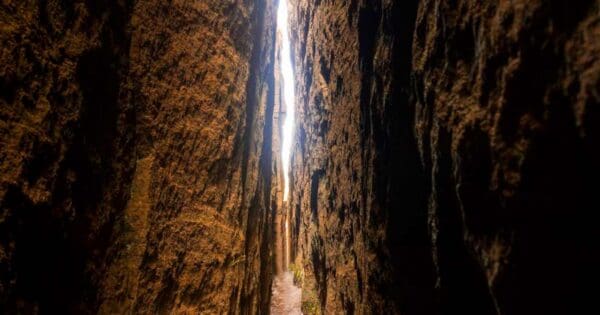
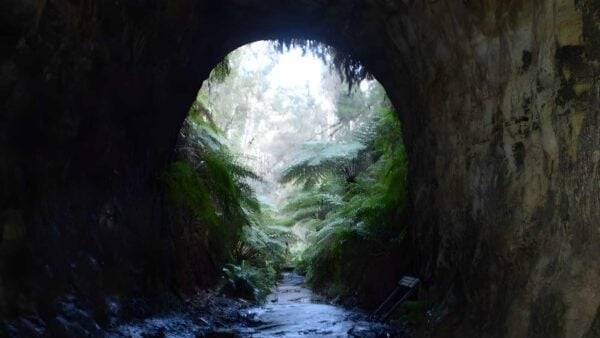
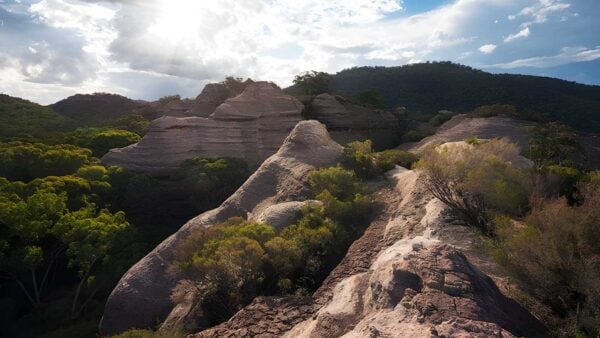
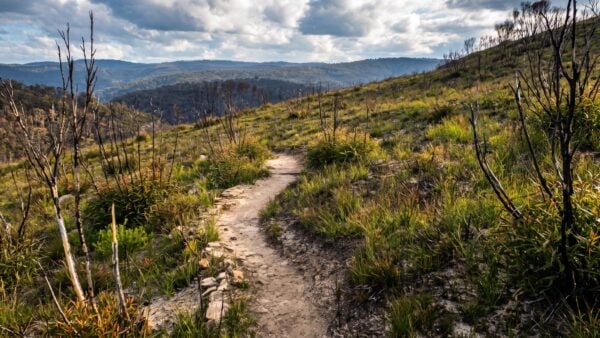
The scenery here is shaped by sandstone on a grand scale. Cliffs rise above long river valleys, canyons cut deeply through the plateau, and the park’s pagoda rock formations create some of its most distinctive country. Basalt-capped mountains and volcanic features add another layer to the landscape, so the views can shift quickly from sheer rock walls to enclosed forested gullies and broad open ridgelines.
One of the standout natural features is the Colo gorge system, described as the most extensive sandstone canyon system in eastern Australia. Across the park more broadly, that mix of escarpments, gorges and weathered rock formations gives Wollemi a rugged, dramatic look that feels different from the softer mountain country found elsewhere.
Best Time to Visit
Wollemi can be rewarding at any time of year, but the most comfortable months for walking are usually the cooler parts of the year, from autumn into spring, when temperatures are milder and the drier sandstone country is generally more pleasant to spend time in. Spring is also a good time to notice wildflowers and fresh growth across the park’s woodland and forest communities.
Summer can still suit water-focused parts of the park and shaded gorge country, but the size and variety of Wollemi mean conditions can feel quite different from one area to another. Higher escarpments, river valleys and exposed pagoda country all have their own seasonal character, which is part of what makes the park interesting across the year.
Plants and Animals
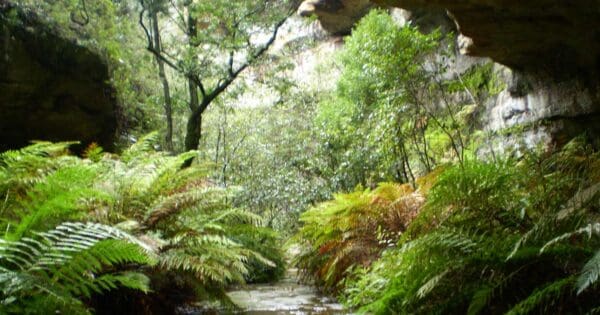
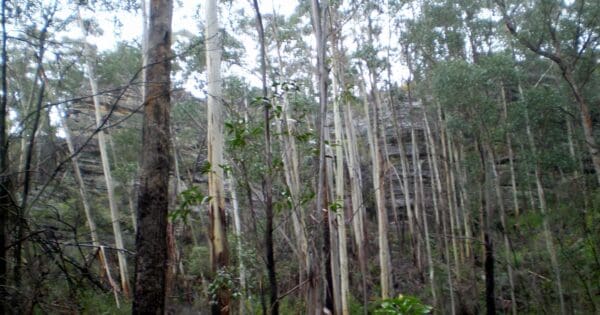
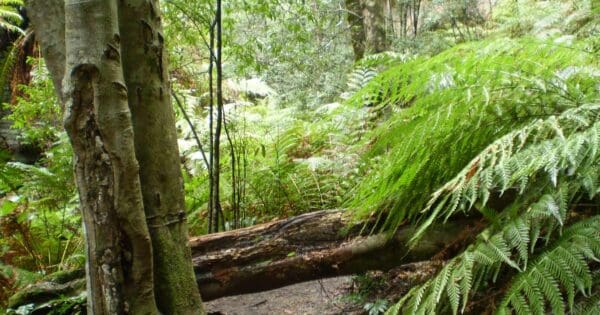
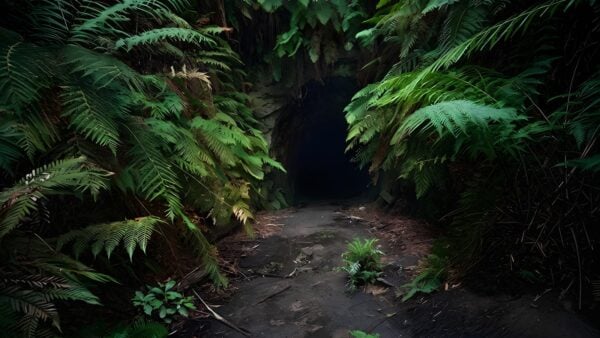
Wollemi protects an impressive range of plant communities, from open eucalypt forest and woodland to rainforest pockets and perched swamps. That diversity of habitat is one reason the park is so important ecologically, and it is central to the World Heritage values of the broader Greater Blue Mountains landscape.
The best-known plant is the Wollemi pine, a critically endangered species once thought extinct and rediscovered in the park in 1994. Its wild site is kept inaccessible to protect it from disturbance, weeds and disease. Beyond that famous tree, the park also supports many threatened or restricted native species. Animals recorded here include eastern grey kangaroos, red-necked wallabies, brush-tailed rock-wallabies, broad-headed snakes, regent honeyeaters and glossy black-cockatoos, along with a notable variety of butterflies.
Culture and Heritage
The area now protected as Wollemi National Park has been significant to Aboriginal people for at least 12,000 years. Known sites in the park include ceremonial grounds, stone arrangements, grinding grooves, scarred trees and rock engravings, showing a long and continuing cultural connection embedded in the landscape itself.
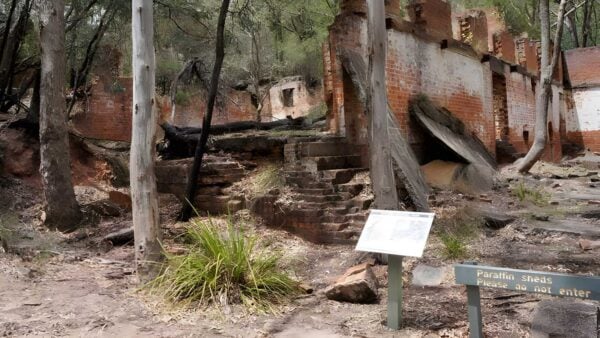
Wollemi also holds important historic places, with regional and national significance recognised in the park’s management. Those layers of Aboriginal heritage and later historic use sit within the same escarpments, valleys and river country that define the park today.