Ultralight backpacks prioritise minimising weight for the backpack itself. This translates to less weight on your back, making hikes easier and more enjoyable. Ultralight packs achieve this by using lighter materials, having fewer features, and sacrificing some durability. While these packs excel at reducing weight, it’s important to understand the trade-offs involved.
Testing the Wallaroo 45L Framed Backpack
The Neve Gear Wallaroo 45L Framed Backpack V2 is an ultralight pack that strikes a good balance between weight, comfort, and features. Here’s a closer look at its strengths and considerations based on field testing in Victoria’s High Country and western Victoria for day hikes, overnight trips, and multi-day adventures.
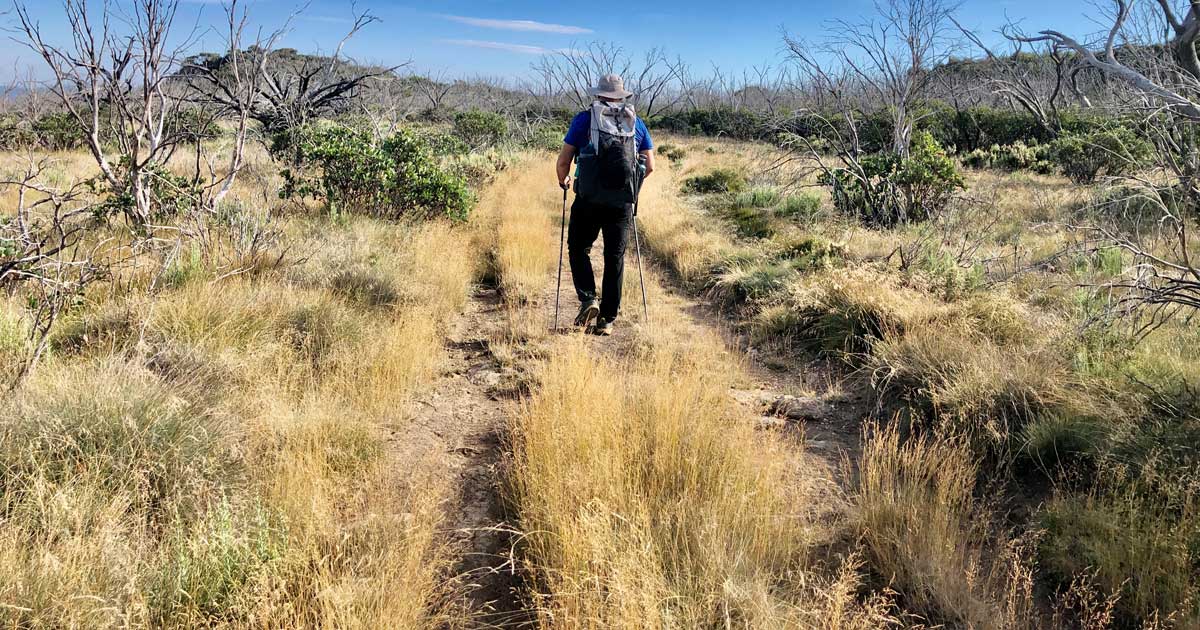
The Wallaroo is a genuinely comfortable pack to carry. The wide, well-padded hip belt transfers weight to your hips effectively, even with a load pushing its 18kg capacity, and that makes a real difference on long hikes because it keeps your shoulders fresh and lets you focus on the scenery rather than the pack. The shoulder straps are comfortable too, and the load lifter straps, a feature you don’t always get in an ultralight pack, fine-tune the fit and further even out the weight distribution. I’ve often found that an incorrectly fitted pack sits on your shoulders and leaves them feeling bruised and sore after days on the trail. That wasn’t the case here. My shoulders felt as fresh as the day I started out, even with 15kg on board.
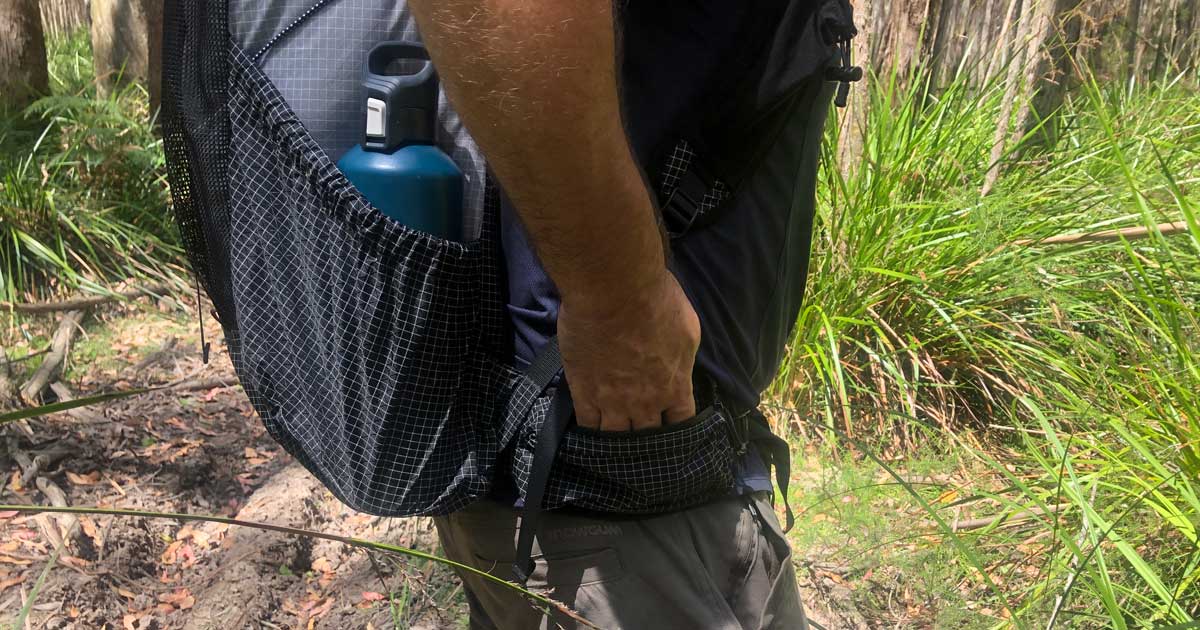
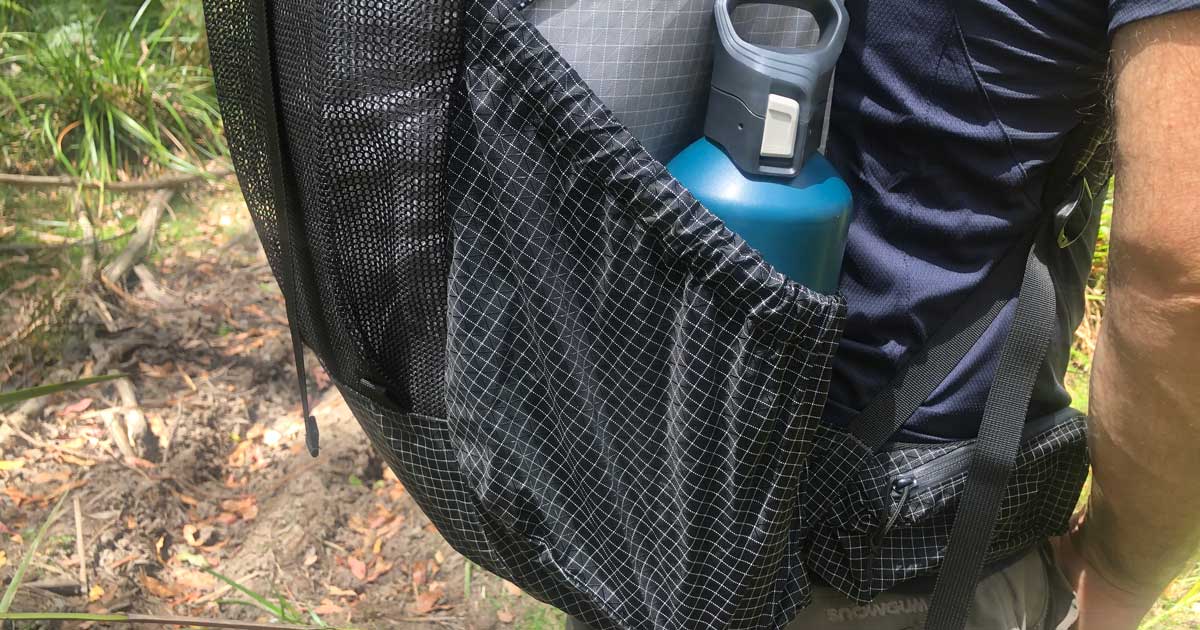
That same attention to load-carrying shows up in the storage layout. The hip belt pockets are large enough to hold essentials like navigation tools, a headlamp, or a compact first-aid kit, and they’re easy to reach without taking the pack off. The side pockets are tall and easily accessible, fitting 1.5L water bottles perfectly, which means you don’t need external water bottle holders that add weight and snag on brush. The shoulder pockets are ideal for stashing snacks, sunglasses, and other quick-access items, although they might not be suitable for a large water bottle.

On the front of the pack, there’s a large mesh pocket, good for stashing gear or a wet outer fly that you need to keep separated from the rest of your load. The Wallaroo V2 has stronger mesh than the previous version for added protection against snags and abrasion. I’m always a bit wary of mesh pockets for that reason, but so far it seems to be performing well.
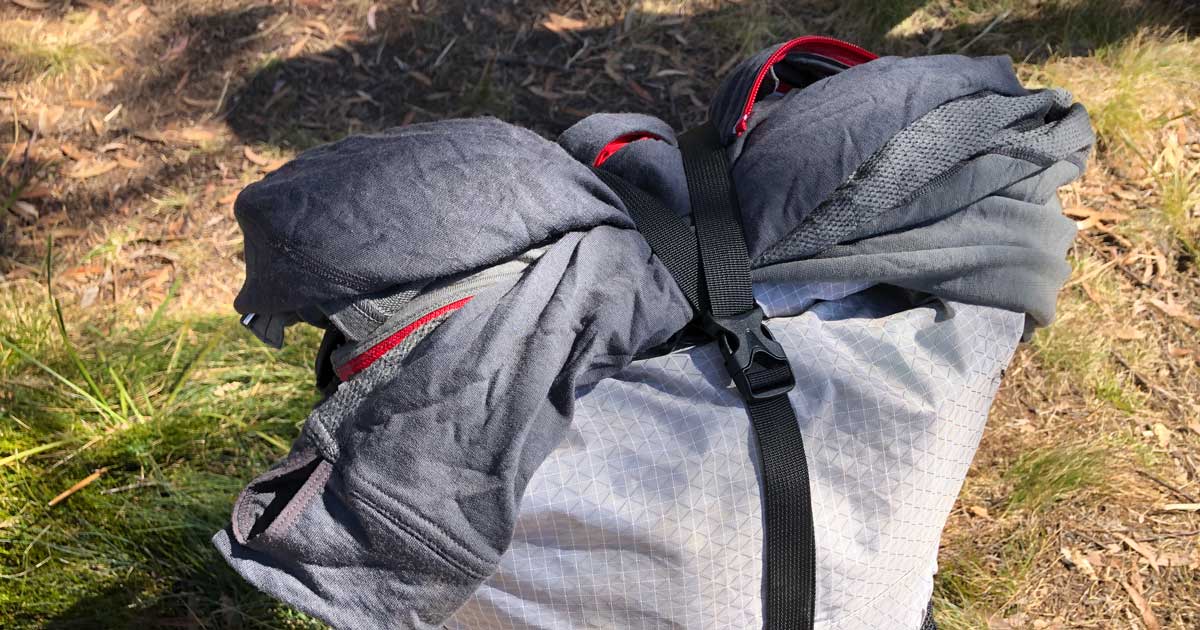
The 48-litre internal volume of the Wallaroo proved to be more than enough for my three-day trip. Despite carrying a 15kg load, I had ample space for all my gear, including my sleeping bag, sleeping pad, tent, clothes, cooking essentials, and food. The roll-top closure with its studded design made accessing my gear throughout the hike a breeze, provided I put what I thought I might need close to the top. Unrolling the top and peering inside, I could quickly locate everything I needed. Because this pack only has one external access point, you’d need to unload the entire pack to access gear you’ve packed at the bottom, which is common with lighter packs, since extra zips for multiple access points add significant weight. The closure itself, with studs securing the roll top opening, worked well for ease of access.
I have packs with a similar roll top feature that use Velcro to close the top as well as clips and straps on either side, mainly for compression. By cinching down the straps, you can compress the contents of your pack and shape the top so water doesn’t pool if it rains. The Wallaroo doesn’t have this feature, and it didn’t appear to be an issue on the hikes I’ve done so far, though I haven’t yet had it out in genuine rain to see how the top behaves without that shaping option.
Built to Withstand the Elements
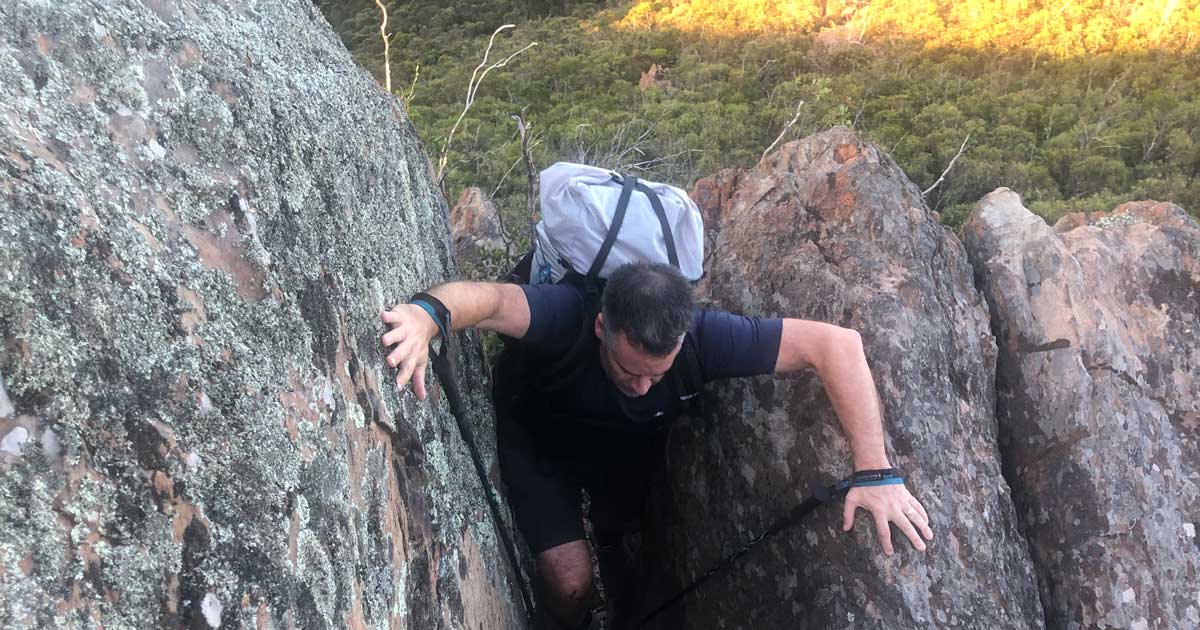
Despite its ultralight design, the 210d HDPE Gridstop nylon fabric feels robust. After several hikes including technical sections with rock scrambles and encounters with abrasive bushes, the pack shows no signs of wear, which gives me confidence venturing off the beaten path and into rugged terrain. The bound seams and YKK zippers, made by Yoshida Kogyo Kabushiki-gaisha, the world’s largest zipper manufacturer, have held up the same way, with smooth operation and no snagging so far.
210D HDPE Gridstop is likely water-resistant due to a DWR coating and potentially a PU backing, but it’s not fully waterproof. It can handle light rain or splashes, but extended exposure to heavy rain will eventually lead to water penetration. For true waterproofness, look for a pack that uses a waterproof fabric like Dyneema® Composite Fabric (DCF), or use the Wallaroo with a rain cover or waterproof liner. For me, this wasn’t a major concern, since I always pack my essential gear and my sleeping system in waterproof stuff sacks for added protection. I haven’t had any rain on my hikes with the Wallaroo yet though, so I can’t speak from experience on how it holds up in a genuine downpour. To properly test its water resistance, I might have to resort to a home shower test with the hose.
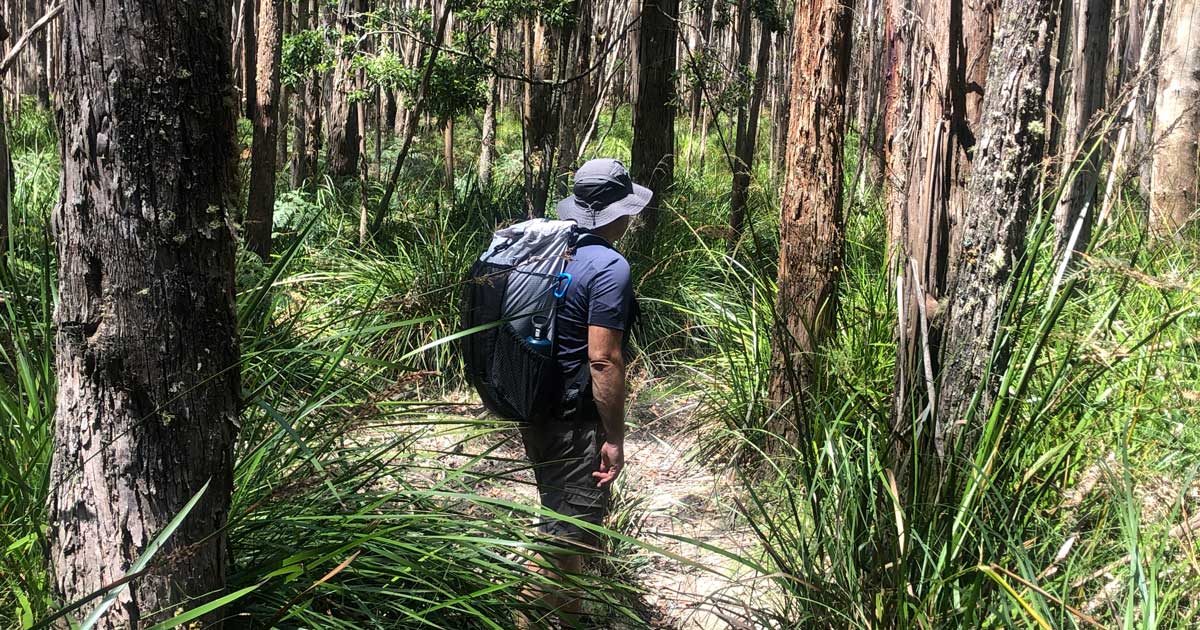
There are a couple of other features worth noting that you don’t always see on an ultralight pack. A Y-shaped top strap provides a secure way to lash additional gear like a sleeping pad or tent to the outside of the pack. Both this and the load lifter straps mentioned earlier show a bit more thought than I’d expect from a pack this light.
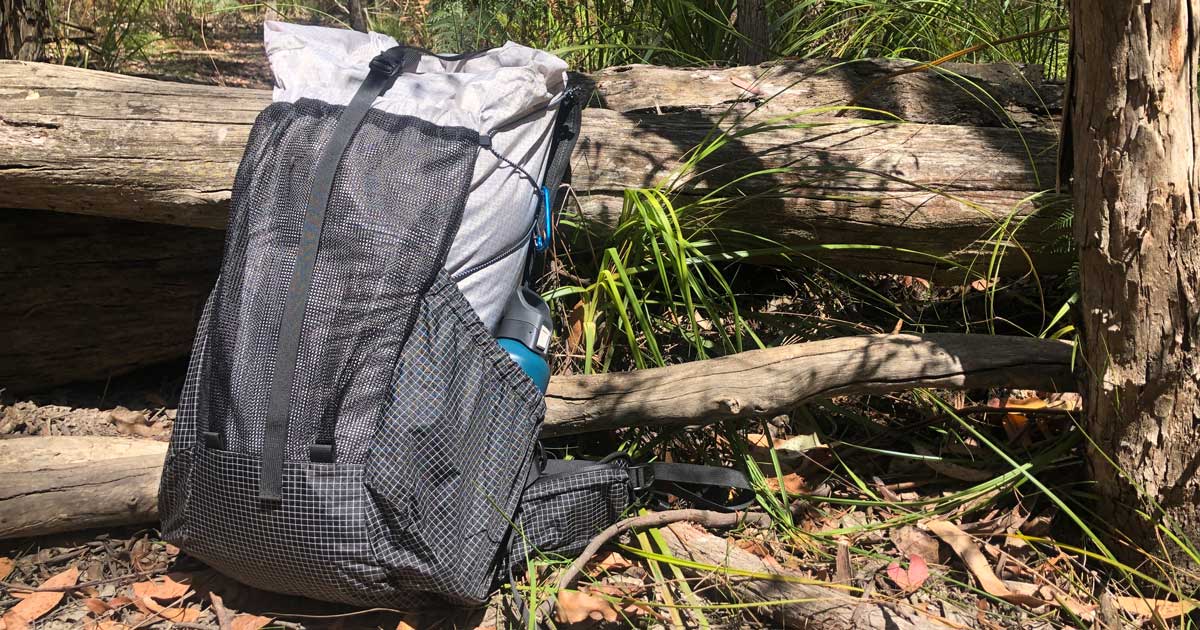
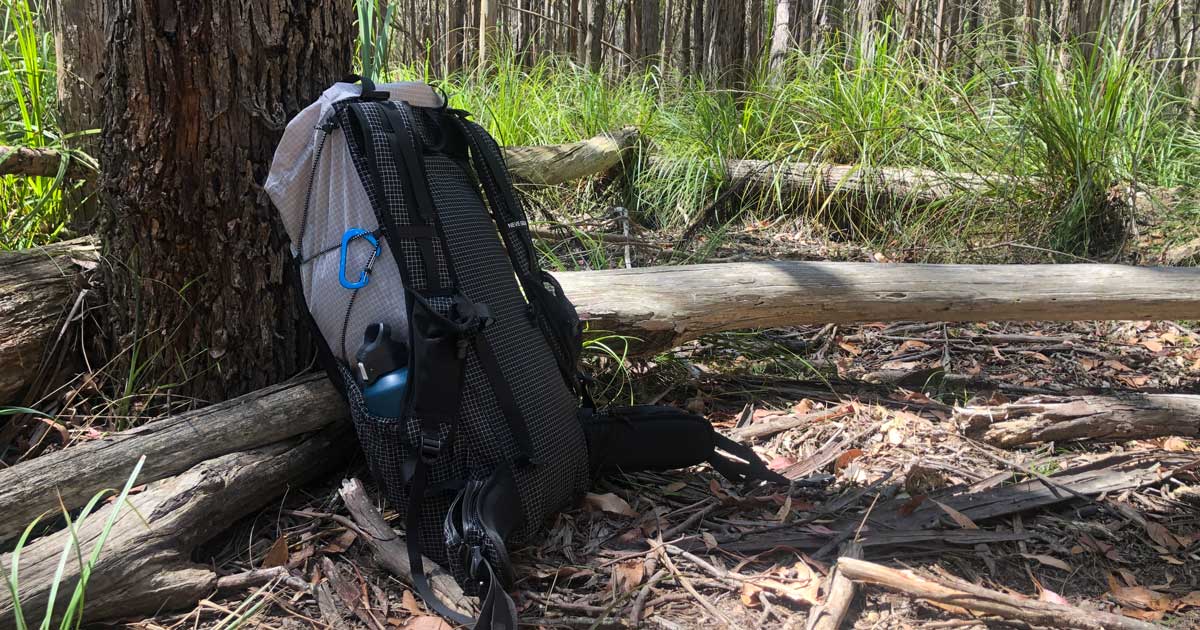
Where the minimalist design does cost you something is in the external gear loops. There are two small loops at the base of the front pocket, but no dedicated loop for an ice axe. For hikers who regularly use one, you’d need to find your own way around it. If you’ve got a few sewing skills, you may be able to fashion your own attachment. Another option is strapping it to the sides using the compression line-locs, though that’s not the most elegant, or safest, solution, and you’d need to make sure the axe is positioned and strapped down in a way that doesn’t hinder your movement or snag on brush.
Considerations on the Trail
The ultralight design of the Wallaroo does come with a few genuine trade-offs. The back panel lacks the mesh ventilation found on traditional packs. While this kept the weight down, it also meant a sweaty back, especially during the afternoon climbs. This is the first pack I have used on overnight or multi-day hikes that doesn’t have a ventilation panel, and I must admit it’s left me searching for a solution to the perspiration problem. At the end of a long day, it wasn’t only my back that was wet, but my hiking pants and underwear too.
This is a common compromise in ultralight backpacks, and for me the weight saving is a trade-off worth accepting given how much lighter the pack is. However, if breathability is a major concern for you, you might be better suited with a traditional pack that prioritises air circulation.
The Wallaroo also doesn’t have a dedicated internal hydration sleeve or port for a bladder. If you prefer using a bladder for easier on-the-go hydration, you’ll need to find another way to carry it inside the pack, potentially sacrificing some usable space. You could get around this by using a water bottle in the external side pockets and a separate bladder inside the pack if space allows. That’s a minor inconvenience for some, but worth considering if you rely on a bladder. I’ve actually shifted away from using bladders myself, so this workaround suits me fine.
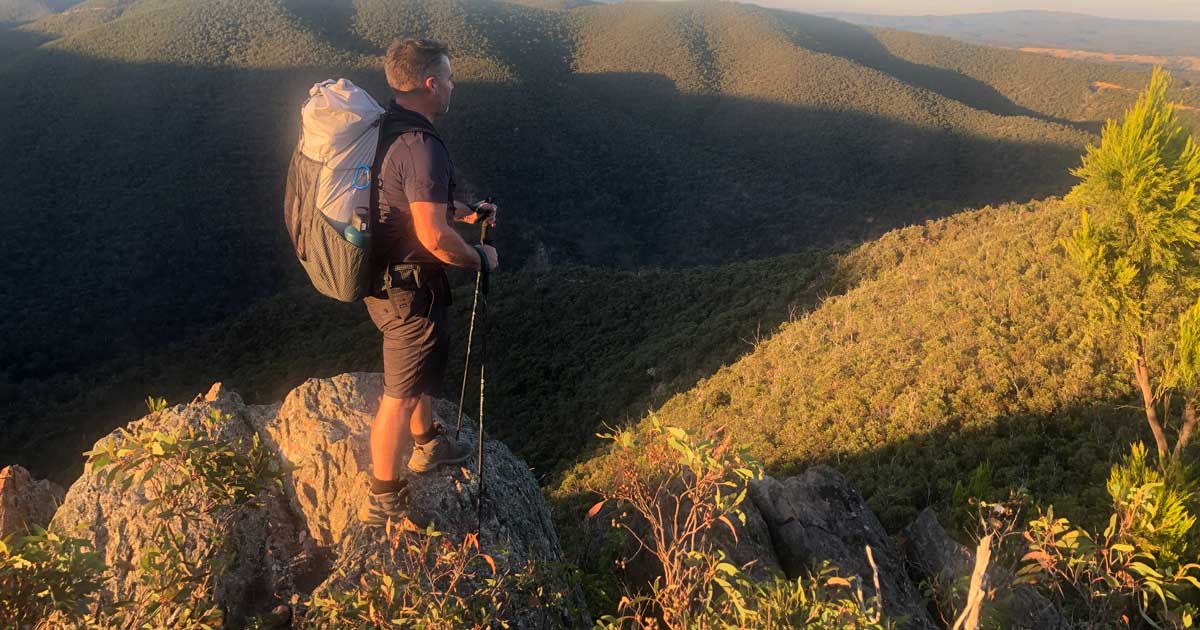
Taken together, the Wallaroo 45L Framed Backpack V2 has been a comfortable, well-made ultralight pack across my overnight and multi-day trips, and the build has held up to technical terrain without complaint. The lack of back ventilation and internal hydration sleeve are real compromises, not minor ones if either matters to you, but for me the comfort, storage layout and durability outweigh them. At only $299, backed by a 5-year warranty, it holds up well against similarly featured packs, and there’s something to be said for that money going to a small independent Australian gear maker rather than a large one. I’ll keep field testing this pack and update this review as I do.
Tech Specs
Small:
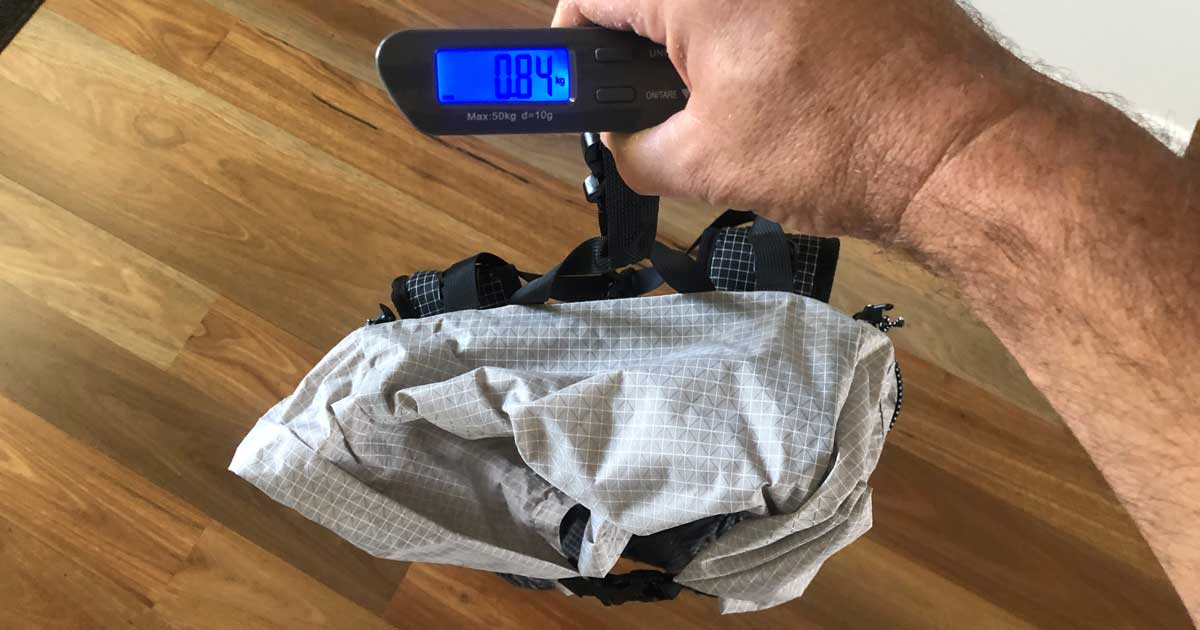
- Weight: 775g
- Torso: 36-43 cm
- Internal Volume: 41L
Medium:
- Weight: 825g
- Torso: 43-50 cm
- Internal Volume: 45L
Large:
- Weight: 875g
- Torso: 50-57 cm
- Internal Volume: 48L
Features
- 210d HDPE Gridstop Nylon, well known and well trusted fabric (4.8oz/yd).
- Inverted U frame for both vertical and horizontal structure.
- 5″ Load lifters for optimal load transfer.
- Reverse Pull Hip belt strap for easy tightening and greater wrap around hips.
- Y-shaped top strap for extra security when carrying items on top.
- Extra grosgrain attachments above the side pockets and on the front.
- Easy to use hip belt pockets.
- Shoulder strap pockets that fit up to mid-sized drink bottles.
- Bound seams for extra strength.
- YKK Zippers.
- Warranty: 5 years against defects (does not include standard wear and tear beyond a certain point).




Great pack. Has anyone else used one?
Not 100% sure this is Aussie made anymore. I’ll have to check with Neve Gear.
Neve has posted on Reddit that it’s not made in Australia, but it’s Australian owned and designed. I think they basically said there’s no way it could be so cheap if it was made here.
Hi Karina, thanks for pointing that out. When I originally reviewed the Wallaroo, I was informed it was Australian made. Since then, I’ve also learned the packs are actually manufactured in China, while Neve Gear remains Australian owned and designed. I appreciate your comment — it prompted me to update the review to reflect this more accurately.