Sorry, no records were found. Please adjust your search criteria and try again.
Sorry, unable to load the Maps API.
Explore stunning hiking trails of Mungo National Park
Discover the diverse trails of Mungo National Park, New South Wales, offering hikes and walks for all skill levels and interests. Find your perfect adventure today.
Discover 4 hiking trails in Mungo National Park



Ancient Dry Lakes and the Sculpted Lunettes of Mungo
Overview
Mungo National Park sits in far south-west New South Wales, within the Willandra Lakes Region, about 140km north-west of Balranald. This is a cool semi-arid landscape shaped by long-dry lakebeds, sandy rises and lunettes built by wind over immense stretches of time. Part of the park lies within the Willandra Lakes World Heritage Area, recognised for its globally significant archaeological, geomorphological and palaeontological values.
What makes Mungo feel so distinctive is the sense that the land is still showing its own history in the open. The old lake system, the broad basins and the eroded dune forms create a place that looks stark at first, then increasingly layered the longer you spend in it.
Highlights
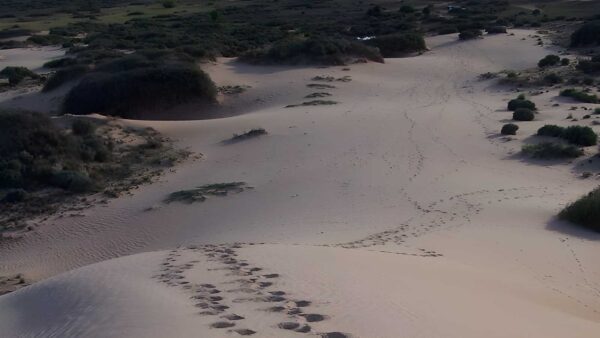
The park’s defining scenery comes from the relict lakebeds of Lake Mungo, Leaghur and Garnpang and the lunettes that arc along their eastern margins. These wind-built formations, together with the wide clay pans and low sandplains, give Mungo its striking open character and its unusual mix of colour, texture and scale.
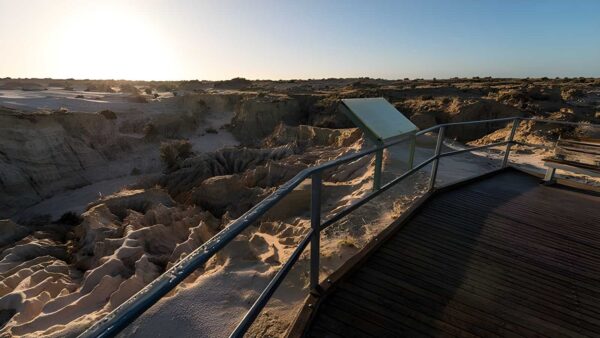
The best-known landform is the Mungo lunette, often called the Walls of China. Erosion has carved the lunette into ridges, pinnacles and sharply etched slopes, creating one of the most visually distinctive landscapes in inland New South Wales. Beyond that headline feature, the park’s appeal also lies in its big skies, low relief and the way subtle changes in light bring out the forms of the ancient lakeshore.
Best Time to Visit
Cooler months are generally the most comfortable time to be in Mungo. Winters are mild, while summers are typically hot and dry, so the park is often better appreciated from autumn through to spring when walking and time outdoors feel easier.
Because this is a semi-arid landscape with an average annual rainfall of about 250mm, conditions can feel exposed at any time of year. Even so, the changing light across the dry lakes and lunettes is a big part of the experience, especially in the softer mornings and afternoons.
Plants and Animals
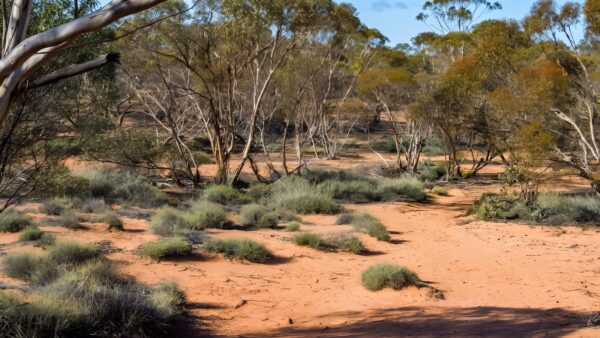
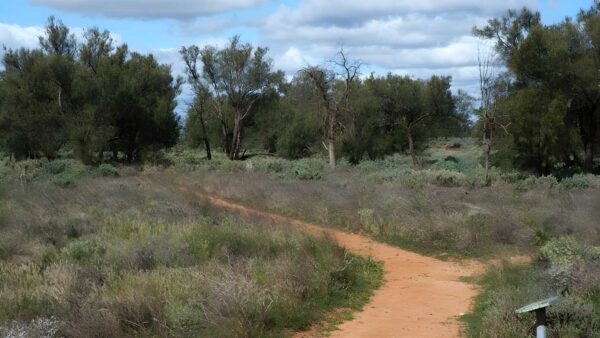
Mungo’s vegetation reflects its dry inland setting. Around the lakebeds and lunettes you’ll find mixed shrublands, while the sandplains and ridges support cypress pine woodland, belah and rosewood woodland, mallee shrublands and pockets of spinifex country. The mallee and spinifex communities are especially important here, giving parts of the park a character more often associated with north-west Victoria and South Australia than with much of New South Wales.
Wildlife is part of the park’s everyday atmosphere rather than something tucked away. Red and western grey kangaroos are the most obvious mammals, and emus are among the birds most regularly seen. Birdlife is rich, with around 150 species recorded from the area, including pink cockatoos, mallee ringneck parrots and several threatened species. Reptiles are also a strong feature of the semi-arid country, particularly in the spinifex and mallee habitats.
Culture and Heritage
Mungo National Park is of great significance to the Ngyiampaa, Mutthi Mutthi and Southern Paakantyi people, and Traditional Owner involvement in management is a central part of the park today. The broader Willandra landscape, including Mungo, holds deep cultural meaning and contains evidence of long human occupation, including hearths, middens, stone tools and burials preserved within the ancient lunette deposits.
The park is also inseparable from the history of scientific discovery in Australia. The exposed layers of the Mungo lunette have revealed a remarkable record of environmental change, human occupation and extinct fauna, which is one reason this landscape holds such an important place in the story of the continent.
Find more places to explore…
Help expand the trail collection!
Know of an official trail not listed on Trail Hiking Australia? I’m focused on showcasing the best tracks managed by land managers, and I’d love your help! Sharing a trail adds to our community and helps others discover safe, new adventures.
Submit your trail here

