Sorry, no records were found. Please adjust your search criteria and try again.
Sorry, unable to load the Maps API.
Explore stunning hiking trails of Kinglake National Park
Discover the diverse trails of Kinglake National Park, Victoria, offering hikes and walks for all skill levels and interests. Find your perfect adventure today.
Discover 3 hiking trails in Kinglake National Park
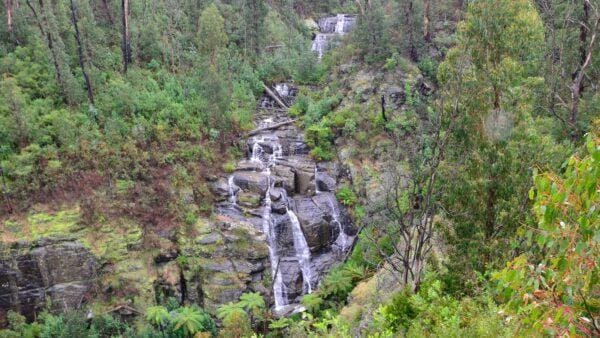

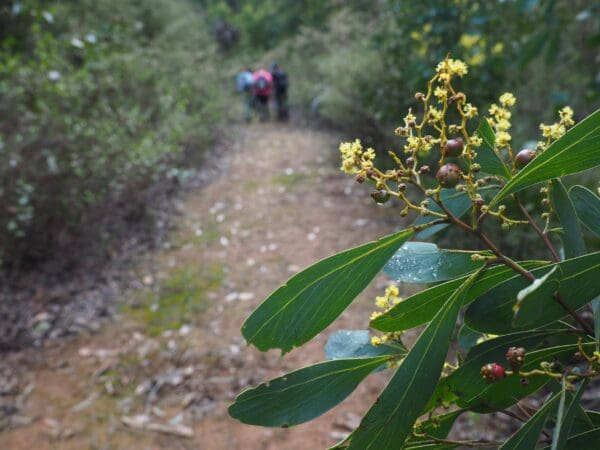
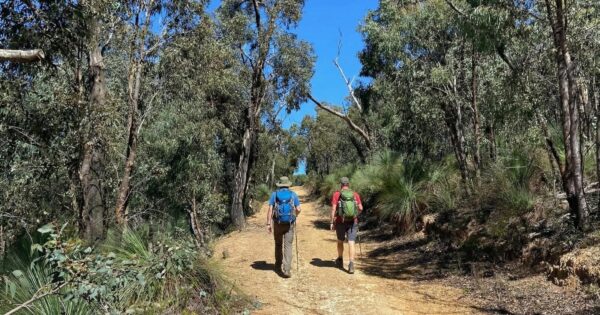
Waterfalls, Fern Gullies and Foothill Forests Above Melbourne
Overview
Kinglake National Park sits on the slopes of the Great Dividing Range about 65 kilometres north-east of central Melbourne, with the township of Kinglake close to its middle. It covers 21,600 hectares of eucalypt forest and protects a substantial foothill forest landscape close to the city, including vegetation communities that sit at the edge of their natural range.
What gives the park its character is the contrast between drier forest on exposed slopes and cooler, damper country in sheltered gullies and along creeks. That mix makes Kinglake feel bigger and more varied than many parks so close to Melbourne.
Highlights
Kinglake is best known for its mountain setting, with forested ridges rising above the outer north-eastern edge of Melbourne and creating a strong upland backdrop. Across the park, the scenery shifts between tall eucalypt forest, deeply shaded gullies and a handful of well-known waterfall areas, giving the landscape a cooler, more elevated feel than the lowlands below.
Fern-filled creek lines are a big part of the appeal here, especially where the country folds into moist valleys. In the wetter parts of the park, tall Mountain Ash forest appears on protected slopes and plateaus, while other areas open out into drier foothill forest. That variation is what makes the scenery memorable rather than one single landmark.
Best Time to Visit
Kinglake National Park can be rewarding at any time of year, but the cooler months and spring tend to show off its character best. This is when the fern gullies and damp forest feel freshest, creek lines are usually at their greenest, and the contrast between sheltered valleys and drier ridges is easiest to appreciate.
Summer can still be a good time to visit the higher, forested parts of the park if you prefer clearer skies and drier conditions, but the place generally feels most distinctive when there is a bit of moisture in the landscape.
Plants and Animals
The park protects an important sample of foothill forest from Victoria’s central ranges, including wet forest, damp forest, riparian forest and several drier forest communities. Depending on where you are, the overstorey can shift from Mountain Ash in wetter sites to Messmate, Narrow-leaf Peppermint, Mountain Grey Gum and Manna Gum in other parts of the park, with tree-ferns and dense understorey plants in the moister gullies.
Kinglake is also important for wildlife conservation close to Melbourne. Recorded significant birds include the Masked Owl, Powerful Owl, Sooty Owl and Turquoise Parrot, and lyrebirds are part of the park’s birdlife as well. Reptiles such as the Tree Goanna and Mountain Dragon have also been noted, along with significant fish and butterfly species.
Find more places to explore…
Help expand the trail collection!
Know of an official trail not listed on Trail Hiking Australia? I’m focused on showcasing the best tracks managed by land managers, and I’d love your help! Sharing a trail adds to our community and helps others discover safe, new adventures.
Submit your trail here

