Granite Peaks and White-Sand Shores on Flinders Island
Overview
Flinders Island sits in the Furneaux Group in eastern Bass Strait, north-east of mainland Tasmania. It is the largest island in the group, and the southern part of the island is shaped by the granite country of Strzelecki National Park, where steep peaks meet sheltered beaches and clear coastal water. The island’s landscapes feel broad and open, with long shorelines, offshore islands and a strong meeting of mountain and sea.
Highlights
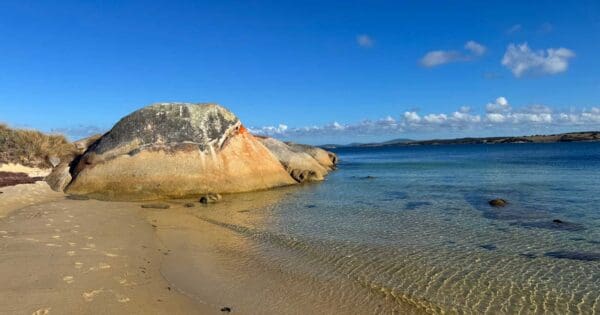
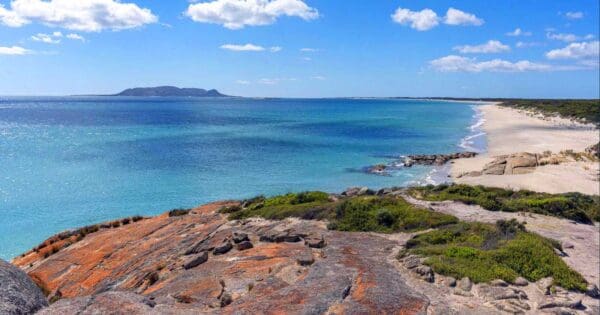
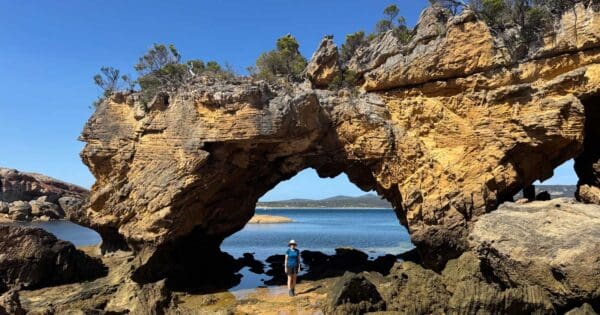
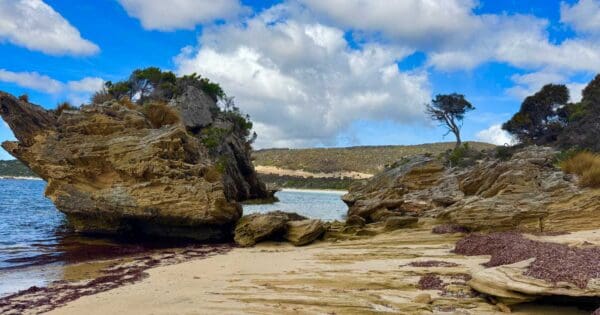
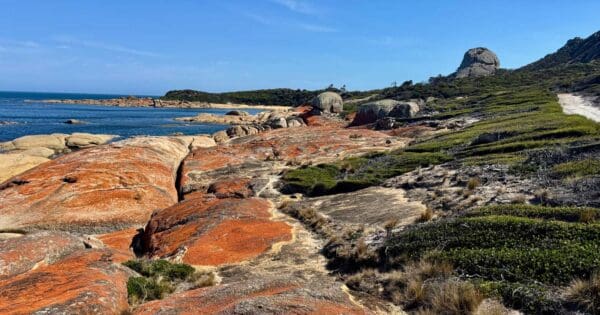
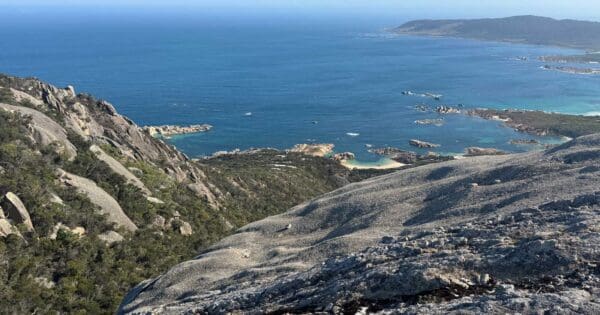
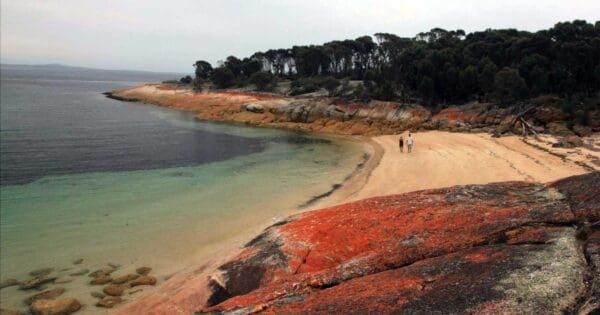
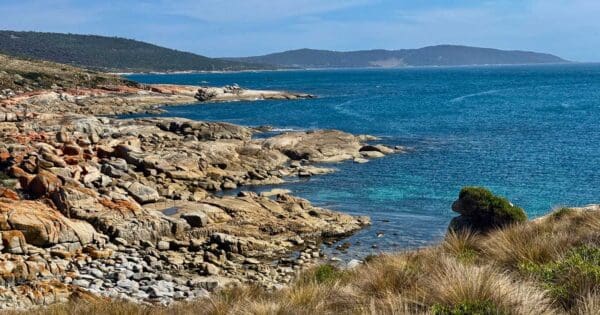
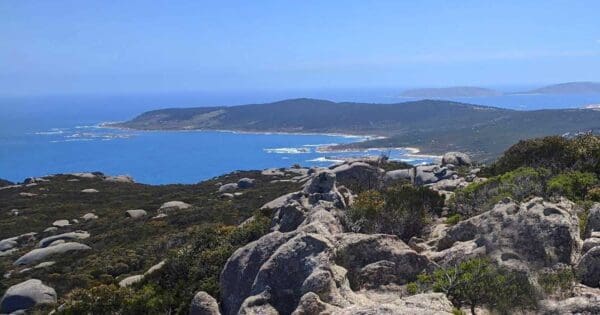
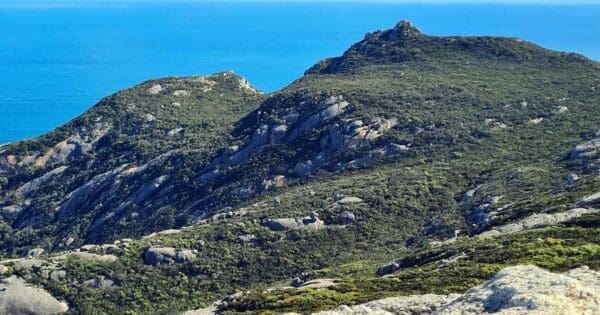
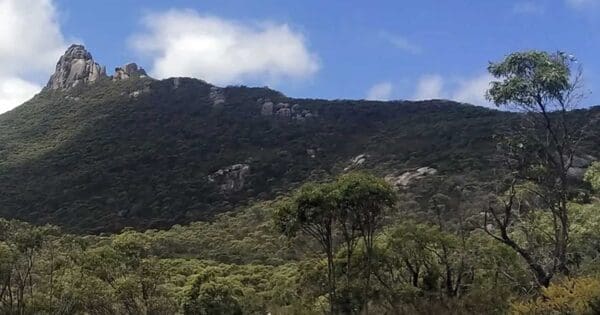
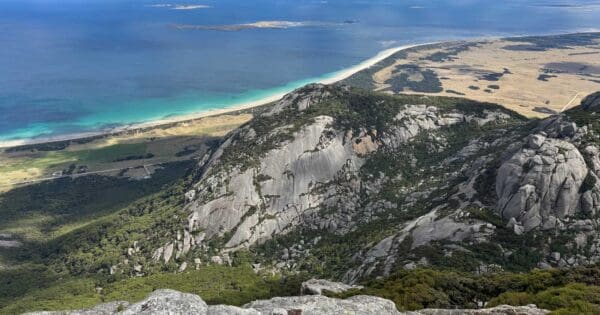
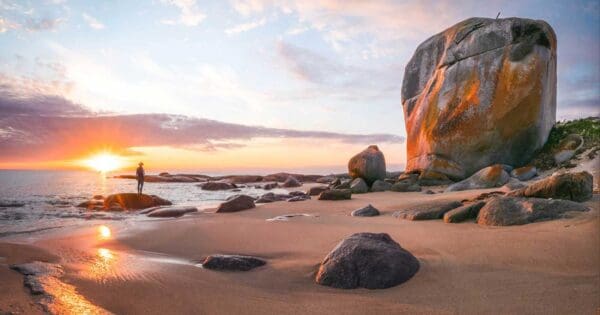
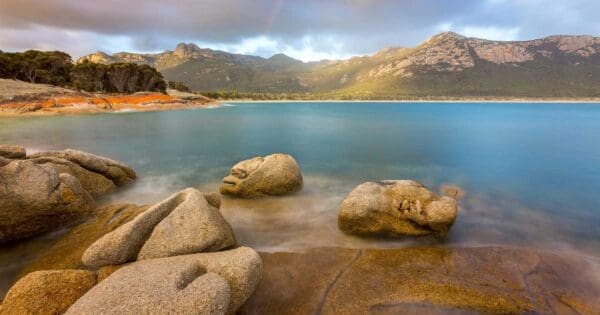
The most distinctive scenery on Flinders Island is its contrast between rugged granite high country and luminous coastline. In the south-west, the large granite massifs of Strzelecki National Park dominate the skyline, while around Trousers Point the coast shifts to white sand, blue water, sculpted rock formations and views across Bass Strait to smaller islands offshore. It is this mix of mountain profiles, beaches and exposed island edges that gives the place its strong visual character.
Best Time to Visit
Flinders Island can be rewarding at any time of year, but the milder months from spring through autumn are generally the most comfortable for walking and for spending time on the coast. Spring is especially appealing for wildflowers, while the clearer, settled days that often come in the warmer months make the island’s granite ridges, beaches and surrounding sea stand out at their best.
Plants and Animals
Flinders Island has notable natural diversity, with plant and animal communities shaped by its position between Tasmania and mainland Australia. The island is recognised for its high number of endemic species, rare flora and fauna, and vegetation that includes both Tasmanian and Victorian elements. On the north-east of the island, important wetland and estuarine habitats support birdlife, and there is extensive habitat for the ground parrot. More broadly, the island is known for its mix of coastal heath, scrub, woodland and granite-country vegetation.
Birdlife is one of the island’s strengths, particularly around wetlands, shorelines and offshore breeding areas. Coastal waters and headlands also support species such as white-bellied sea eagles, adding to the sense that this is a place where land and sea are closely connected.