Sorry, no records were found. Please adjust your search criteria and try again.
Sorry, unable to load the Maps API.
Explore stunning hiking trails of Fleurieu Peninsula
Discover the diverse trails of Fleurieu Peninsula, South Australia, offering hikes and walks for all skill levels and interests. Find your perfect adventure today.
Discover 4 hiking trails in Fleurieu Peninsula





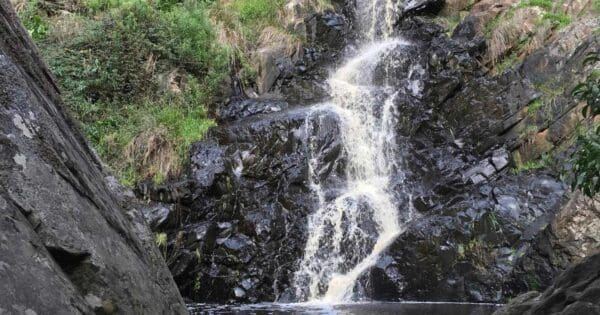

Coast, heath and high-country bush on the Fleurieu Peninsula
Overview
The Fleurieu Peninsula sits just south of Adelaide and brings together a remarkably varied stretch of South Australia, from exposed southern coastline to sheltered bushland, granite headlands and pockets of inland forest. Rather than revolving around one single reserve, this region is made up of a network of parks and protected areas, including Deep Creek National Park, Newland Head Conservation Park, Granite Island Recreation Park and Encounter Marine Park.
That mix is what gives the Fleurieu its character. On the southern edge, steep valleys and coastal ridges drop towards Backstairs Passage and the Southern Ocean, while further east and inland the landscape shifts to heath, woodland, swamps and creeklines. It is close enough to Adelaide for a day out, but the scenery feels distinctly removed from the city.
Highlights
The Fleurieu’s standout scenery comes from the meeting of rugged coast and elevated country. Deep Creek is the biggest remaining block of natural vegetation on the peninsula, with rolling hills above the sea and broad views across the southern coastline. Newland Head adds a different mood, with long surf beaches, the Waitpinga Cliffs, rolling sand dunes and mallee heath.
There is also a strong contrast between land and sea here. Granite Island is known for its weathered granite boulders and open views across Encounter Bay, while the waters off the peninsula support a rich marine environment that extends through Encounter Marine Park to the Coorong and the north-eastern coast of Kangaroo Island.
Best Time to Visit
The Fleurieu Peninsula is rewarding across the year, but the cooler months are often the most comfortable for walking and spending time outdoors. Winter and spring usually bring greener hillsides, flowing creeks in the higher-rainfall parts of the peninsula and the chance to see southern right whales moving along the coast from June to October.
Spring is also a particularly good time for the inland parks and swamps, when cooler conditions and seasonal growth make the peninsula’s plant life more noticeable. Summer can still be appealing on the coast, especially where sea breezes shape the day, but the region’s character is often at its best when the weather is milder.
Plants and Animals
The Fleurieu protects a wide range of habitats, and that shows in its wildlife. Deep Creek supports western grey kangaroos, short-beaked echidnas and around 100 bird species. Offshore and along the coast, Encounter Marine Park is known for species such as leafy sea dragons, Australian sea lions, dolphins and southern right whales.
Inland and upland reserves add another layer again. The central Fleurieu parks protect critically endangered Fleurieu Peninsula Swamps as well as forests, woodlands and heath that support threatened species including the southern brown bandicoot, chestnut-rumped heathwren, Bassian thrush and Mount Lofty Ranges southern emu-wren. Several plants found here are closely tied to the peninsula itself, including Hindmarsh correa and the Hindmarsh Valley greenhood.
Find more places to explore…
Help expand the trail collection!
Know of an official trail not listed on Trail Hiking Australia? I’m focused on showcasing the best tracks managed by land managers, and I’d love your help! Sharing a trail adds to our community and helps others discover safe, new adventures.
Submit your trail here