Sorry, no records were found. Please adjust your search criteria and try again.
Sorry, unable to load the Maps API.
Explore stunning hiking trails of Cullendulla Creek Nature Reserve
Discover the diverse trails of Cullendulla Creek Nature Reserve, New South Wales, offering hikes and walks for all skill levels and interests. Find your perfect adventure today.
Discover 4 hiking trails in Cullendulla Creek Nature Reserve


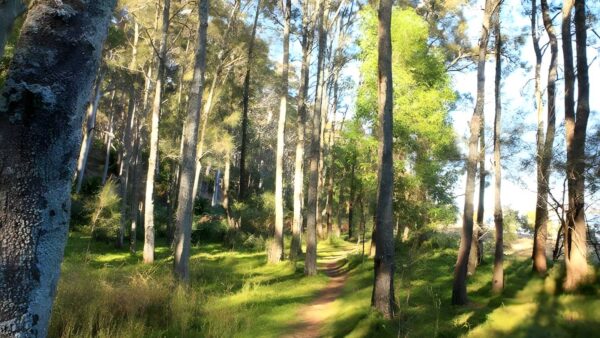
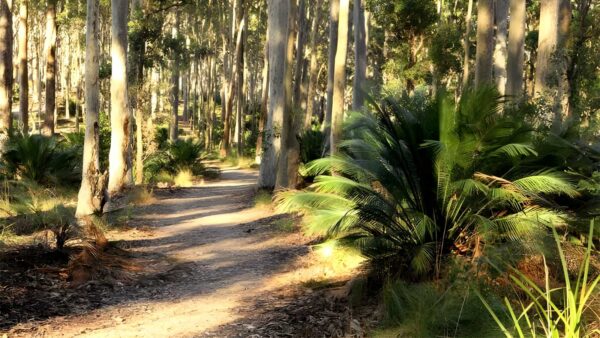

Where Mangroves Meet the Chenier Dunes at Cullendulla Creek
Overview
Cullendulla Creek Nature Reserve sits on the northern side of Batemans Bay, next to the town and wrapping around the lower reaches of Cullendulla Creek. Despite its modest size, it protects an unusually rich mix of coastal environments, including sand dunes, estuarine wetlands and the forested headland of Square Head.
What makes the reserve stand out is the way these habitats are packed together in one small area. It was created to protect dunes and wetlands associated with the creek, and later expanded to include Square Head, bringing the reserve to 126 hectares.
Highlights
The reserve’s most distinctive natural feature is its chenier complex, a rare dune formation and the only known example south of North Queensland. That gives Cullendulla Creek a geological interest that goes well beyond its size, and helps explain why the landscape feels so different from many other small coastal reserves on the NSW South Coast.
Just as striking is the contrast between the tidal wetlands and the higher ground of Square Head. Around the creek are mudflats, sandbars, mangroves and saltmarsh, while the headland adds rocky ridgeline and taller forest. Across the reserve, those changing landforms create broad views over the bay and islands as well as a strong sense of moving between beach, estuary and bush in a very short distance.
Best Time to Visit
Cullendulla Creek works well through much of the year, but it is especially appealing in the milder months when walking and lingering by the water are more comfortable. Birdlife is a big part of the experience here, and the reserve supports both resident species and migratory waders, so different seasons can bring a slightly different feel.
If you are most interested in the wetland edges, calmer days tend to show the place at its best, when the tidal flats, mangroves and creek mouth are easiest to appreciate. The mix of estuary, beach and headland means the reserve never feels one-dimensional, even on a short visit.
Plants and Animals
This is a botanically varied pocket of coast. The wetlands include seagrass beds, mudflats, saltmarsh and extensive mangroves, with one of the largest stands of grey mangrove south of Sydney. Forest red gum forest, swamp oak woodland, Bangalay open forest and a small area of littoral rainforest add another layer again, especially around the edges of the estuary and on Square Head.
That variety of habitat supports a notably diverse fauna for such a small reserve. The area provides habitat for at least five threatened native animal species, along with migratory waders protected under international agreements. Around the shore and wetlands, birdlife is a defining part of the place, while the adjoining forest and headland broaden the range of animals the reserve can support.
Culture and Heritage
Cullendulla Creek Nature Reserve contains a large number of Aboriginal places and sites, including rare mounded midden sites. The coastal rock platforms and beach environments in and around the reserve were used by Aboriginal people, and the area is also considered likely to contain burials. Protection of these places is an important part of how the reserve is managed.
Find more places to explore…
Help expand the trail collection!
Know of an official trail not listed on Trail Hiking Australia? I’m focused on showcasing the best tracks managed by land managers, and I’d love your help! Sharing a trail adds to our community and helps others discover safe, new adventures.
Submit your trail here