Crampons are specialised traction devices designed for travel on steep snow and ice. In Australia, they are used far less often than overseas, but when conditions demand them, they provide a level of security that no other footwear or traction option can match. I think of crampons as a serious tool for serious terrain, and using them appropriately requires both suitable conditions and the skills to match.
This guide explains what crampons are, when they are relevant for Australian hiking, how they differ from other traction tools, and the common mistakes that lead to incidents. The focus is on conservative decision making and understanding when crampons improve safety and when they add unnecessary risk.
What crampons are and how they work
Crampons are metal frames fitted with sharp points that attach to hiking boots or mountaineering boots. These points penetrate hard snow and ice, creating a secure grip where rubber soles and shallow traction devices cannot hold. Depending on the design, crampons may have points under the foot, at the toe, or both.
The key function of crampons is to allow controlled movement on steep, icy terrain. They are designed to bite into firm surfaces rather than rely on friction alone. This makes them effective on hard-packed snow, frozen slopes, and icy traverses where slipping would have serious consequences.
When crampons are relevant in Australia
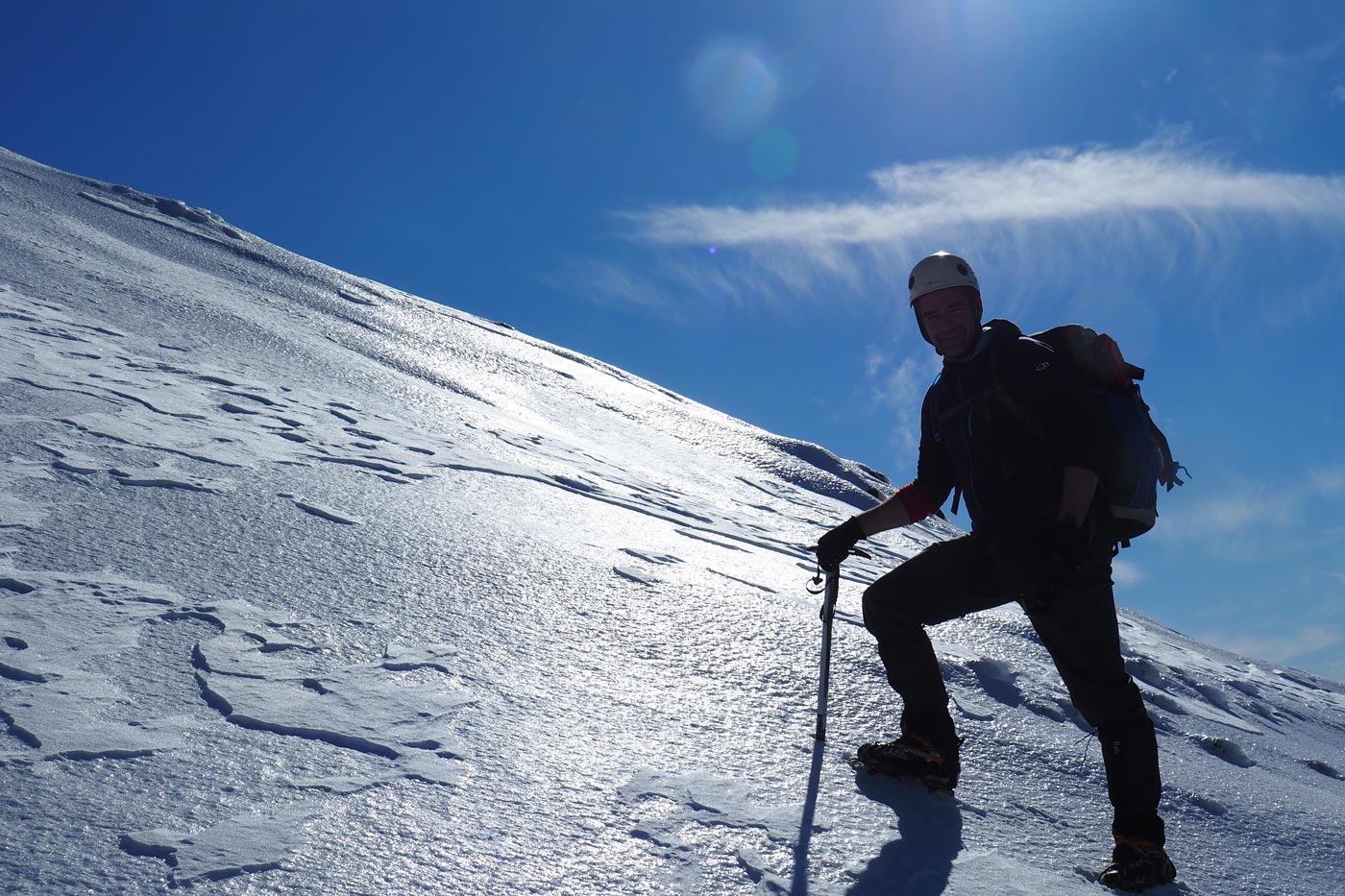
Most Australian hikes do not require crampons. They become relevant in specific alpine environments and seasons, particularly in winter and early spring when snow has hardened through repeated freeze and thaw cycles.
Crampons are typically used when:
- Snow has become firm or icy rather than soft
- Slopes are steep enough that a slip would result in a long slide
- Traction from boots or microspikes is clearly insufficient
- Travel involves exposed traverses or steep ascents
In these conditions, crampons provide a level of security that allows deliberate, controlled movement rather than cautious shuffling or reliance on luck.
How crampons differ from other traction options
Understanding where crampons sit among other traction tools is essential for safe choices. They are not interchangeable with lighter options.
Boots alone rely on tread and friction, which is rarely enough on ice. Microspikes improve grip on low-angle icy surfaces but do not penetrate deeply into hard snow or ice. Snowshoes address flotation in soft snow but perform poorly on ice and steep slopes.
Crampons are designed for steep, firm terrain where penetration matters more than surface grip. They provide security at angles and in conditions where other tools fail, but they also demand more precise footwork and greater awareness.
Footwear compatibility and fit
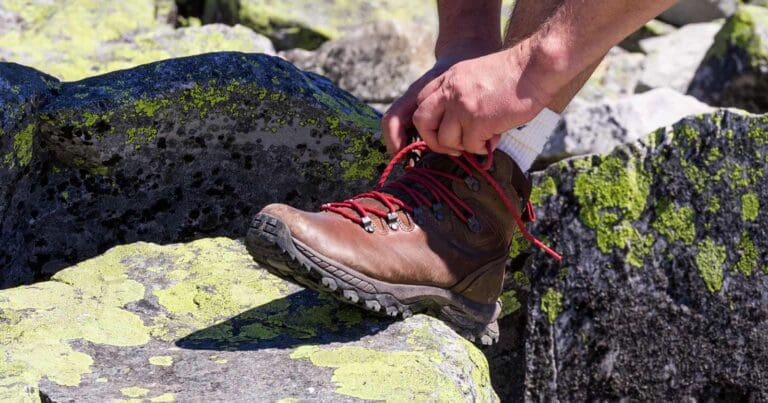
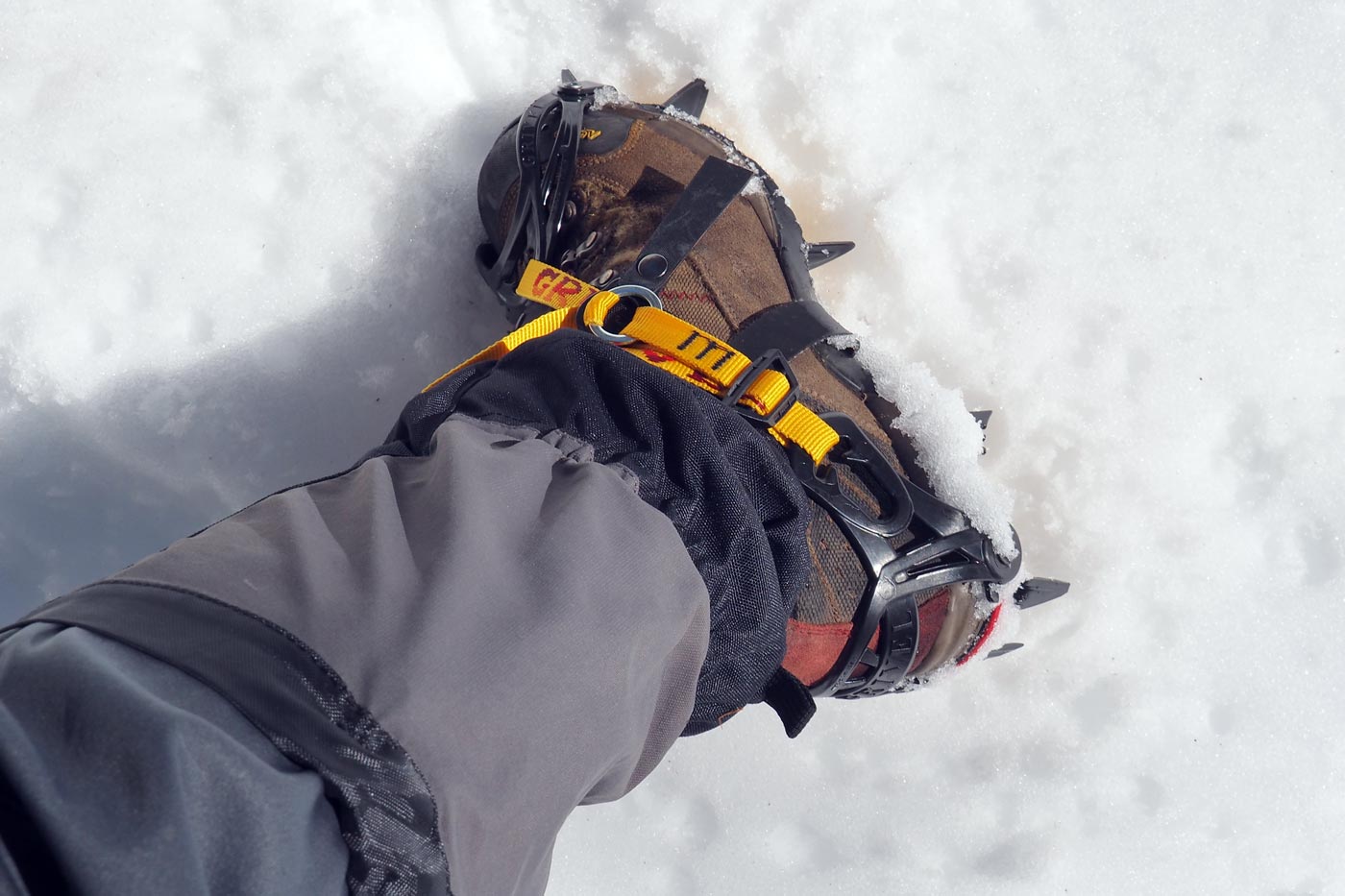
Crampons must fit securely to function safely. They rely on stiff boots that prevent flexing, as movement between the boot and the crampon can lead to loss of traction or dislodgement. Soft or flexible footwear is not suitable for crampon use.
A proper fit ensures the points sit correctly under the foot and engage the surface evenly. Poorly fitted crampons can twist, catch, or detach, especially on traverses or uneven terrain. In real hiking situations, this creates trip hazards and increases fall risk rather than reducing it.
How crampons improve safety in real conditions
Crampons improve safety by allowing hikers to move confidently on terrain where hesitation increases risk. On steep, icy slopes, controlled movement is often safer than slow, tentative steps.
With crampons, each step is placed deliberately, and weight is transferred smoothly. This reduces the chance of sudden slips and allows hikers to maintain balance while ascending, descending, or traversing exposed ground. On long icy sections, this also reduces fatigue, as energy is not wasted constantly fighting for grip.
Common mistakes and misunderstandings
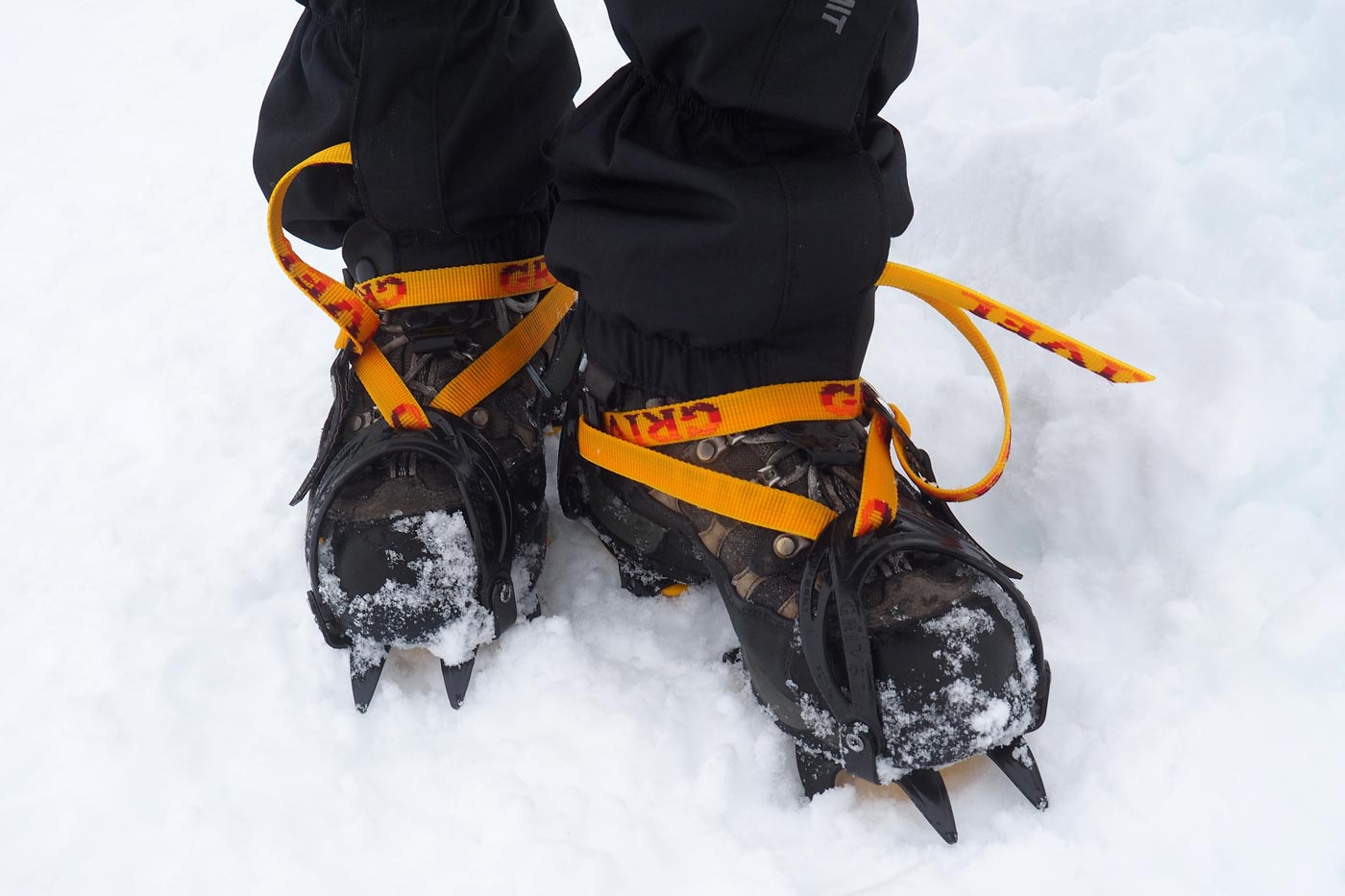
One of the most common mistakes is carrying crampons “just in case” without understanding when or how to use them. Crampons are not intuitive, and incorrect technique can cause tripping, snagging clothing, or damaging gaiters and boots.
Another frequent issue is using crampons without an ice axe on steep terrain. While crampons prevent slips, they do not stop a fall once balance is lost. On exposed slopes, an ice axe may be required to manage the consequences of a slip.
There is also a tendency to overestimate what crampons make safe. Hard ice, very steep slopes, or poor runouts can remain dangerous even with proper equipment. Crampons reduce risk, but they do not remove it.
Movement and technique considerations
Using crampons requires a more deliberate walking style. Feet are kept wider to avoid catching points on clothing, and steps are placed flat to maximise contact. On traverses, maintaining balance and body position becomes more important than speed.
These techniques are not difficult, but they are unfamiliar to many hikers. Practising on low consequence terrain before relying on crampons in exposed conditions is essential. Without practice, the tool can become a liability rather than an asset.
Decision making and route selection
The decision to use crampons should be made before reaching critical terrain. This includes assessing slope angle, snow hardness, exposure, and runout zones. If crampons are required for safety, the route also requires the skills and confidence to use them properly.
Turning back is often the safest option when conditions exceed experience or comfort. Crampons should support conservative choices, not justify pushing into terrain that feels marginal.
Training and responsibility
While crampons are widely used in alpine environments, they are not beginner equipment. Basic training or guided experience is strongly recommended before using crampons in exposed terrain. This includes learning how to walk, turn, and stop safely while wearing them.
What I’ve noticed over the years is that crampons reward deliberate footwork and punish sloppy habits, so the training is really about building a walking style that stays consistent even when you’re tired or the terrain gets awkward. Flat-footing on a steep pitch late in the day, when your legs are heavy and your attention is starting to drift, is exactly when old habits creep back in and a point catches on a gaiter or the opposite leg. Getting that walking pattern automatic on easy ground beforehand is what actually keeps it reliable when it counts, more than any amount of reading about technique.