
Sorry, no records were found. Please adjust your search criteria and try again.
Sorry, unable to load the Maps API.
Explore stunning hiking trails of Sturt Gorge Recreation Park
Discover the diverse trails of Sturt Gorge Recreation Park, South Australia, offering hikes and walks for all skill levels and interests. Find your perfect adventure today.
Discover 3 hiking trails in Sturt Gorge Recreation Park
Where Ancient Ice Meets Adelaide’s Southern Hills
Overview
Sturt Gorge Recreation Park sits on Adelaide’s southern edge, about 13 kilometres from the CBD, where steep bushy slopes drop into the Sturt River and its tributary creeks. Even though it is close to surrounding suburbs, the park holds a surprisingly rugged stretch of country with a strong sense of separation once you are down in the gorge itself.
This is a place shaped as much by geology as by vegetation. The park is internationally recognised for its conservation and geological significance, and it also protects grey box grassy woodland that was once far more widespread across southern Australia.
Highlights
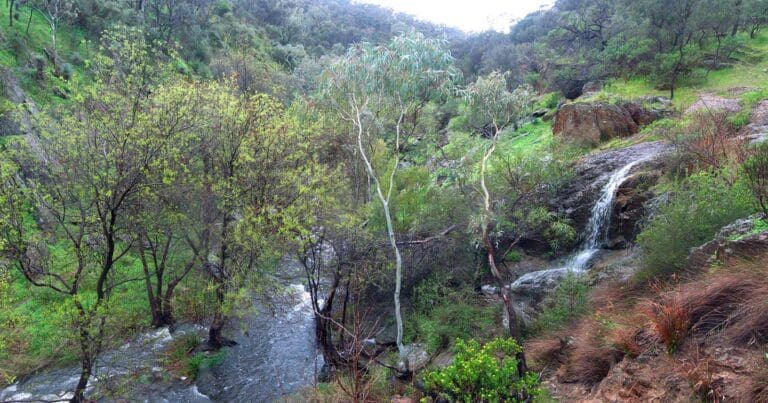
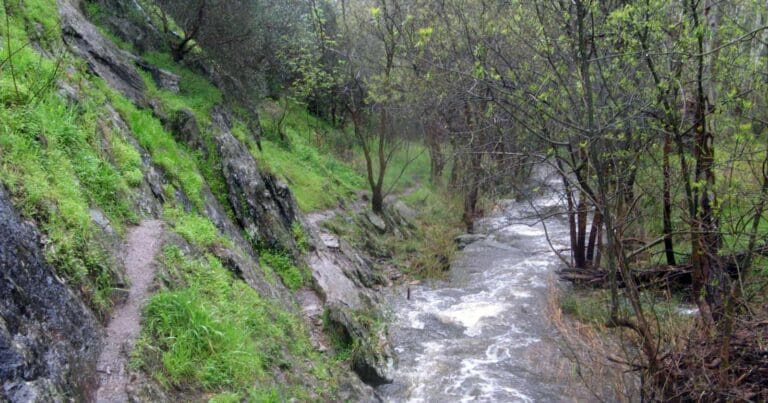
The defining feature here is the gorge itself: a steep, rocky corridor cut by the Sturt River, with hill slopes, exposed outcrops, creek lines and pockets of open woodland giving the landscape a varied, folded look. In winter and after decent rain, flowing creeks, rockpools and small waterfalls add another layer to the scenery.
One of the park’s most distinctive natural features is the Sturt Tillite exposure, a glacial deposit at least 750 million years old. Its scientific importance is extraordinary, but it also changes the feel of the place for visitors, giving the gorge a raw, rocky character that sets it apart from many other bush parks around Adelaide.
Best Time to Visit
The cooler months are when Sturt Gorge tends to feel at its best. Winter brings flowing creeks, greener slopes and the chance to see the gorge with water moving through it, while a few weeks after good rain there can be ephemeral wildflowers and calling frogs. Spring is another rewarding time, when the days are milder and the woodland and grassland edge into fresh growth.
In the hotter part of the year, the park usually feels drier and more exposed, especially across the open hillsides and higher ground.
Plants and Animals
Native vegetation in the park includes grey box woodland, with river red gums along watercourses and patches of sheoak and South Australian blue gum in the broader reserve. Parts of the park have a more open grassy character, which helps explain why this pocket of remnant woodland is so important in an urban setting.
The park also provides habitat for native wildlife, particularly around the river, creeks and shaded gullies. Koalas, kangaroos, short-beaked echidnas, kookaburras, yellow-tailed black cockatoos and Adelaide rosellas are all known from the area, and the watercourses are especially important for aquatic and amphibious species.
Culture and Heritage
The land within Sturt Gorge Recreation Park forms part of Kaurna Country and is especially significant to Kaurna people. The park also sits upstream of Warriparinga, an area of strong spiritual importance through its connection with the Tjilbruke Dreaming.
The park’s other major heritage value is geological. It protects the heritage-listed Sturt Gorge Glaciation Geological Site, where the Sturt Tillite provided some of the first recognised evidence of very ancient glaciation in the southern hemisphere.
Find more places to explore…
Help expand the trail collection!
Know of an official trail not listed on Trail Hiking Australia? I’m focused on showcasing the best tracks managed by land managers, and I’d love your help! Sharing a trail adds to our community and helps others discover safe, new adventures.
Submit your trail here