Sorry, no records were found. Please adjust your search criteria and try again.
Sorry, unable to load the Maps API.
Explore stunning hiking trails of Mount Samaria State Park
Discover the diverse trails of Mount Samaria State Park, Victoria, offering hikes and walks for all skill levels and interests. Find your perfect adventure today.
Discover 5 hiking trails in Mount Samaria State Park
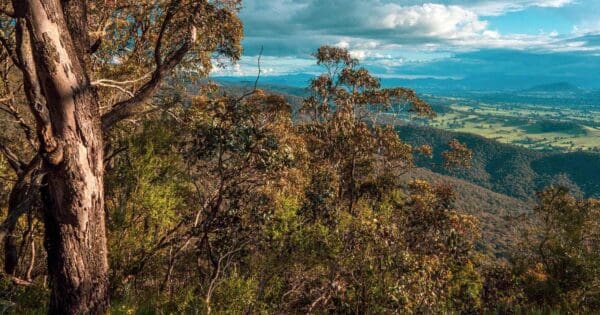

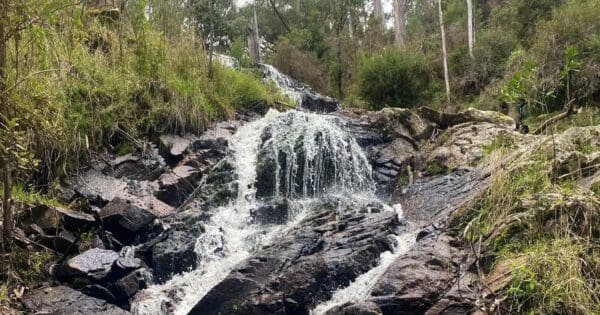
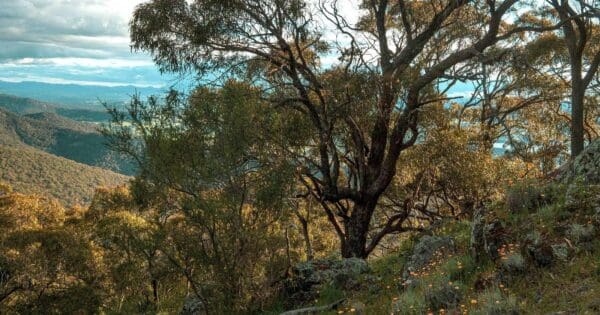
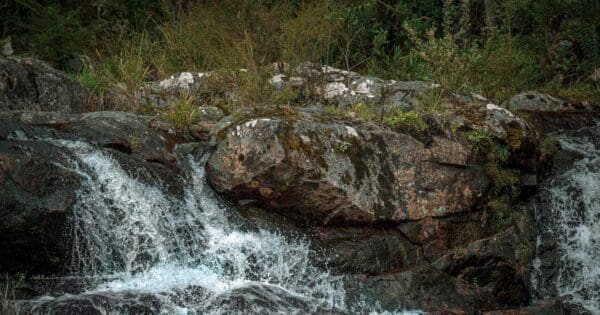
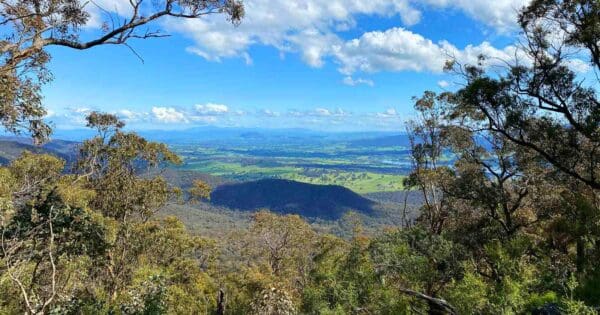
Granite Plateau, Escarpments and Falls at Mount Samaria
Overview
Mount Samaria State Park sits in north-eastern Victoria between Benalla and Mansfield, about 200 kilometres north-east of Melbourne. It covers 7,600 hectares and protects a steep-sided, undulating plateau with a distinctly semi-remote feel, even though it is not far from farming country and nearby regional towns.
What gives the park its character is the contrast between the high forested country and the cleared hills around it. The landscape is varied rather than uniform, with escarpments, valleys, rock outcrops and creek lines shaping a park that feels bigger and rougher once you are in it.
Highlights
The scenery here is built around landform. Mount Samaria and the Blue Range stand out for their steep escarpments and deeply cut valleys, with lookouts and high points opening onto broad views across the Victorian Alps, the Murray Basin Plains and Lake Nillahcootie. Waterfalls are another defining feature, especially around Wild Dog Creek, where the plateau breaks into the creeks below.
Geologically, the park is more complex than it first appears. The plateau is formed on Devonian granodiorite, while other igneous and sedimentary rocks occur through the park, including Cambrian greenstone outcrops that are among the oldest rocks in Victoria. That mix of old rock, abrupt slopes and elevated forest gives Mount Samaria its strong sense of shape and scale.
Best Time to Visit
Spring and early summer are usually the standout seasons, when the understorey and open areas carry the park’s best wildflower displays and the creeks and falls often have more presence in the landscape. It is also a rewarding place in the cooler months, when the higher country feels fresh and the forest is at its most atmospheric.
Summer can still suit visitors who want a cooler patch of high country than the surrounding lowlands, but this is generally a park that shows its character best when temperatures are milder and the vegetation is more active.
Plants and Animals
Mount Samaria State Park supports a notably varied mix of plant communities, from Peppermint and Blue Gum forest across much of the plateau to drier open forest, closed heath and small areas of mossland-herbfield. More than 300 native plant species have been recorded here, and several are considered threatened. Mountain Swamp Gum swampy heath is one of the more distinctive vegetation types in the park, especially in poorly drained areas.
The diversity of habitats flows through to the wildlife. Hollow-bearing forest is important for species such as Sugar Gliders, Bobucks and Greater Gliders, and the park has also recorded significant fauna including the Spot-tailed Quoll and Peregrine Falcon. On a broader level, this is the sort of country where forest birds, marsupials and reptiles all find room across the changing elevations, forests and rocky ground.
Culture and Heritage
Mount Samaria State Park is part of Taungurung Country, with Taungurung Land and Waters Council Aboriginal Corporation recognised in joint management of the park. The park is also an Aboriginal cultural landscape, reflecting a continuing connection to Country rather than a past association alone.
There is more recent heritage here as well, with remains from earlier timber operations including seasoning kilns and haulage tramways. These sites sit quietly within the forest and are part of the park’s layered history.
Find more places to explore…
Help expand the trail collection!
Know of an official trail not listed on Trail Hiking Australia? I’m focused on showcasing the best tracks managed by land managers, and I’d love your help! Sharing a trail adds to our community and helps others discover safe, new adventures.
Submit your trail here

