Sorry, no records were found. Please adjust your search criteria and try again.
Sorry, unable to load the Maps API.
Explore stunning hiking trails of Dandenong Ranges National Park
Discover the diverse trails of Dandenong Ranges National Park, Victoria, offering hikes and walks for all skill levels and interests. Find your perfect adventure today.
Discover 5 hiking trails in Dandenong Ranges National Park
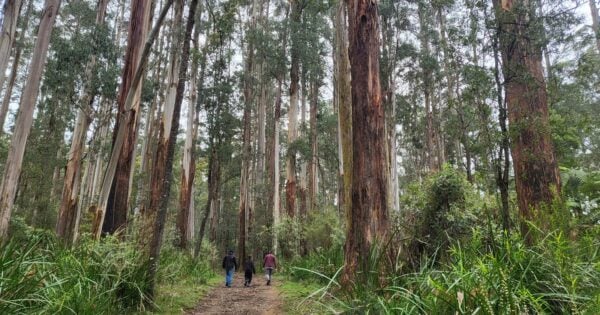

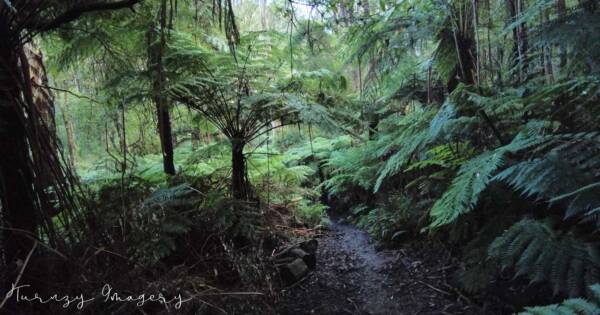
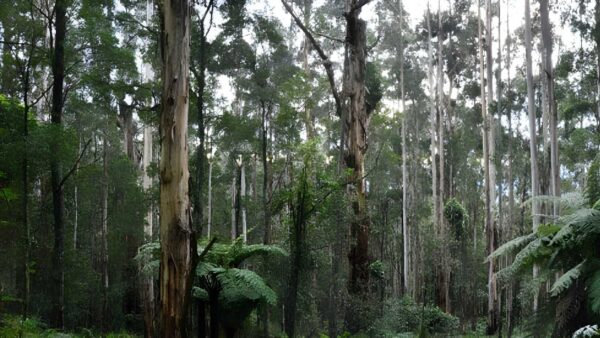

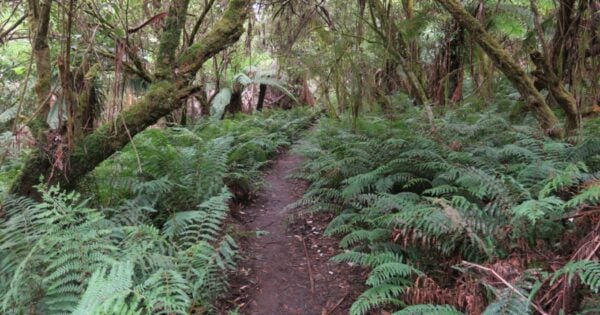

Tall forests on Melbourne’s eastern skyline
Overview
Dandenong Ranges National Park protects 3,540 hectares of forest and woodland along the main ridge and slopes of the Dandenong Ranges, about 35 kilometres east of Melbourne, between Mount Evelyn and Belgrave. It sits close to hill towns including Upper Ferntree Gully, Olinda, Sassafras and Kalorama, and forms a big part of the green backdrop that gives this part of outer Melbourne its distinctive character.
What makes the park feel different from many other places near the city is its mix of tall wet forest, shaded gullies and steep, folded terrain. Even when you are not far from nearby townships, the canopy can feel dense and enclosed, with the ranges holding onto cool, damp conditions that shape the whole landscape.
Highlights
The scenery here is defined by high forested ridges, deeply cut gullies and long tree-covered slopes rather than one single landmark. Mountain Ash forest is one of the park’s best-known features, and in the wetter parts of the ranges the vegetation becomes lusher and more closed-in, giving many areas a cool, sheltered feel.
There is also a strong sense of elevation throughout the park. From the higher parts of Mount Dandenong, the ranges stand out as a major scenic feature above metropolitan Melbourne, while the interior of the park feels softer and greener, with ferny gullies and damp forest adding contrast to the more open ridgelines.
Best Time to Visit
Dandenong Ranges National Park suits different seasons for different reasons. Autumn and winter tend to bring the cool, misty conditions that make the forests and gullies feel especially atmospheric, while spring usually shows the ranges at their greenest after wetter months.
If you enjoy clearer views and drier walking weather, late spring through to autumn is often the easiest time to appreciate the ridges and lookouts. After rain, the forested slopes tend to feel at their most lush, so this is a park where a grey day can be just as rewarding as a bright one.
Plants and Animals
The park contains a range of vegetation types, including Cool Temperate Rainforest, Damp Forest, Shrubby Gully Forest and Wet Forest. That variety is part of what gives the Dandenongs their layered look, with tall eucalypt forest on the slopes and denser, moisture-loving plant communities tucked into sheltered gullies.
Mountain Ash is the signature tree here, shaping much of the park’s character and providing habitat for a wide range of wildlife. The area is also well known for lyrebirds, and the mix of forest structure and understorey across the park supports a broad spread of native fauna.
Culture and Heritage
Dandenong Ranges National Park is part of the Country of the Wurundjeri people of the Woiwurrung language group. Indigenous cultural heritage in the park includes places, objects and cultural lore connected to that long relationship with Country.
The park also carries a strong post-settlement history. Earlier reserves in places such as Upper Ferntree Gully formed part of the foundation for the national park, and that long public connection helps explain why the Dandenongs remain such a familiar and valued landscape for Melbourne and the surrounding hills communities.
Find more places to explore…
Help expand the trail collection!
Know of an official trail not listed on Trail Hiking Australia? I’m focused on showcasing the best tracks managed by land managers, and I’d love your help! Sharing a trail adds to our community and helps others discover safe, new adventures.
Submit your trail here

