Sorry, no records were found. Please adjust your search criteria and try again.
Sorry, unable to load the Maps API.
Explore stunning hiking trails of Coorong National Park
Discover the diverse trails of Coorong National Park, South Australia, offering hikes and walks for all skill levels and interests. Find your perfect adventure today.
Discover 1 hiking trail in Coorong National Park
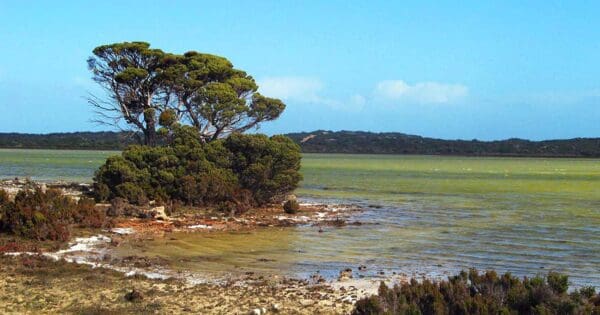

Where the Murray Meets a Long Saltwater Lagoon
Overview
Coorong National Park protects one of South Australia’s most distinctive coastal landscapes, about 200 km south-east of Adelaide. It stretches in a long, narrow line from the Goolwa Barrage past the Murray Mouth towards Kingston SE, taking in the Coorong Channel, the North and South Lagoons, Ocean Beach, dune country and the land that fringes the water. This is a place shaped by the meeting of river, sea and sand, and it feels different from most other parks in the state because the whole landscape is tied to water movement and changing salinity.
The park also sits within a wetland recognised under the Ramsar Convention for its international importance. That listing reflects just how significant the Coorong is for birdlife, wetland habitats and the wider ecology of the lower Murray system.
Highlights
The standout feature here is the sheer length and shape of the landscape. A coastal dune barrier along the Younghusband Peninsula separates the lagoon from the Southern Ocean, creating a remarkable ribbon of sheltered water on one side and a long surf beach on the other. The result is a park of open skies, broad water, pale dunes and salt-edged shorelines that changes character as you move south.
Another striking part of the Coorong is the shift between its different water environments. Near the barrages and Murray Mouth the system can be fresh to brackish, while further south it becomes far more saline. Mudflats, shallow lagoons, islands and beach country all sit close together, giving the park a spare, elemental look that is very much its own.
Best Time to Visit
The cooler months are often the most comfortable time to spend longer in the Coorong, particularly from autumn through spring, when temperatures are milder and the exposed landscapes can be easier to enjoy on foot. Seasonal water levels and salinity patterns also help shape what the park looks like at different times of year, especially across the mudflats and lagoon edges.
Spring and summer are especially rewarding for birdlife. Large numbers of waterbirds and migratory shorebirds use the wetlands, and breeding activity can be a big part of the park’s seasonal rhythm.
Plants and Animals
Coorong National Park is one of the key bird areas in the lower Murray region, with the wetland regularly supporting very large numbers of waterbirds. More than 20,000 waterbirds are recorded there every year it is surveyed, and the broader wetland averages well over 200,000 birds in the annual January counts. The area is also an important drought refuge and breeding ground for many species, including pelicans, terns, plovers, ducks and swans.
Plant life shifts with the conditions. Around the lagoons, salt marsh vegetation and tea-tree fringes are common, while mallee-grassland communities are widespread in the southern and mainland parts of the park. In the water, submerged plants such as Ruppia tuberosa play an important role in the food web, helping support the tens of thousands of waterbirds that rely on the Coorong.
Culture and Heritage
Coorong National Park is of enormous cultural significance to the Ngarrindjeri People, and the name Coorong comes from the Ngarrindjeri word Kurangk, meaning long narrow neck. The park contains archaeological evidence of long Aboriginal occupation, including shell middens that mark campsites used over thousands of years.
Find more places to explore…
Help expand the trail collection!
Know of an official trail not listed on Trail Hiking Australia? I’m focused on showcasing the best tracks managed by land managers, and I’d love your help! Sharing a trail adds to our community and helps others discover safe, new adventures.
Submit your trail here

