Where the Adelaide Hills rise into bogs, gullies and big views
Overview
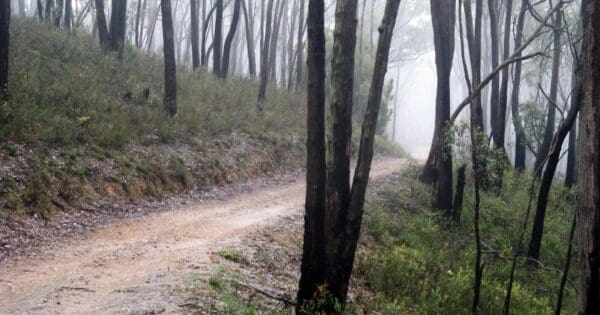
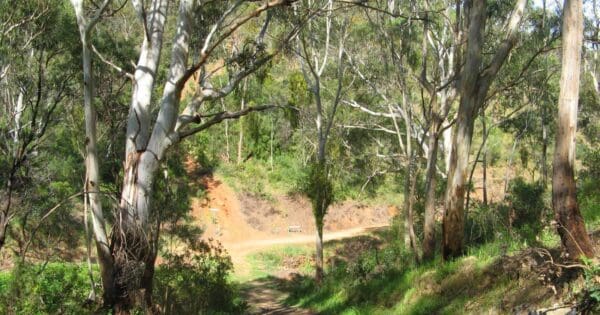
Cleland National Park sits on the western face of the Mount Lofty Ranges, less than 10 kilometres east of Adelaide’s CBD, and protects 1036 hectares of native bushland close to the city. What makes it stand out is the mix of steep gullies, creek lines, ridges and forested slopes packed into a relatively compact area, along with pockets of high-value habitat that are scarce elsewhere in the ranges.
This is also an important part of a much larger ecological picture. The park holds one of the larger surviving areas of native vegetation along the hills face and helps link habitats across a heavily fragmented landscape, which matters in a region recognised for its rich but threatened biodiversity.
Highlights
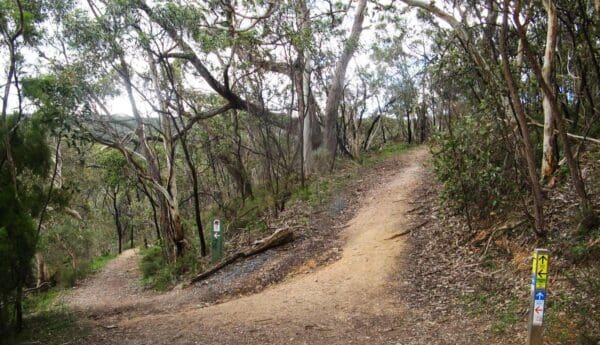
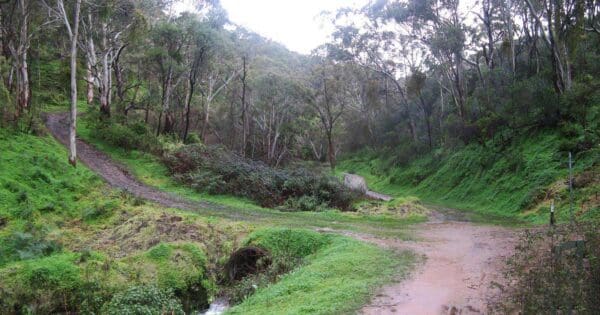
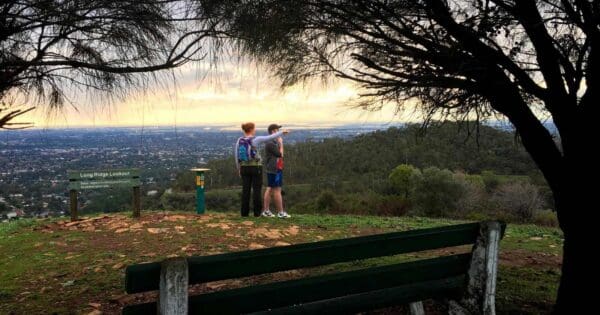
Cleland’s character comes from the shape of the land as much as the vegetation on it. Creeks and tributaries cut through steep-sided gullies, while higher ground opens to broad views across the Adelaide Plains. Waterfall Gully and Mount Lofty Summit are the best-known landmarks within the park, giving it a strong contrast between sheltered, shaded slopes and exposed ridgelines.
Another distinctive feature is the presence of intact swamps, bogs and spring-fed creek systems within the Mount Lofty Ranges landscape. These wetter pockets add a different texture to the park, alongside stringybark forest, woodland and heath on the ridges.
Best Time to Visit
Cleland changes noticeably with the seasons. The cooler months are often the most appealing time to be here, when gullies are greener, creeks are more likely to be flowing and the wetter parts of the park feel at their best. Spring also suits the park well, with heath, forest and grassland communities showing fresh growth after winter.
Because elevation and aspect vary across the park, it can feel quite different from one part to another at the same time of year. Damp gullies hold their cool longer, while open ridges and summit areas are more exposed.
Plants and Animals
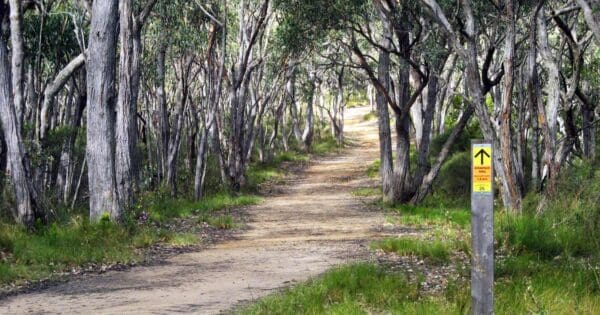
Despite its closeness to Adelaide, Cleland protects a remarkably varied set of habitats. There are freshwater bogs, heathlands, permanently wet creek lines, cascading waterfalls, blue gum woodland, manna gum and kangaroo grass areas, and stringybark open forest. That variety supports a wide spread of native wildlife across the park.
The bogs are especially significant. More than half of the plant species recorded in Cleland’s bogs are rare or threatened, including king fern, coral fern and naked sun orchid. These same wet habitats are important for the endangered southern brown bandicoot. Elsewhere in the park, heathlands support the Mount Lofty Ranges chestnut-rumped heathwren, damp gullies provide habitat for the Bassian thrush, and the park’s large hollow-bearing trees are used by yellow-tailed black-cockatoos. Over 90 native bird species have been recorded in the woodland and forest habitats.
Culture and Heritage
Cleland National Park lies on a shared boundary between Kaurna and Peramangk Country, with Kaurna to the west and Peramangk to the east. The area was a meeting place and a place of trade, and both nations hold Dreaming stories connected to features of the Mount Lofty Ranges.
The park also carries an ongoing cultural connection. Kaurna people visited seasonally to gather materials such as gum resin, bark, possum skin and wallaby skin, and the cultural and spiritual significance of the landscape continues today.