Sorry, no records were found. Please adjust your search criteria and try again.
Sorry, unable to load the Maps API.
Explore stunning hiking trails of Cape Liptrap
Discover the diverse trails of Cape Liptrap, Victoria, offering hikes and walks for all skill levels and interests. Find your perfect adventure today.
Discover 1 hiking trail in Cape Liptrap
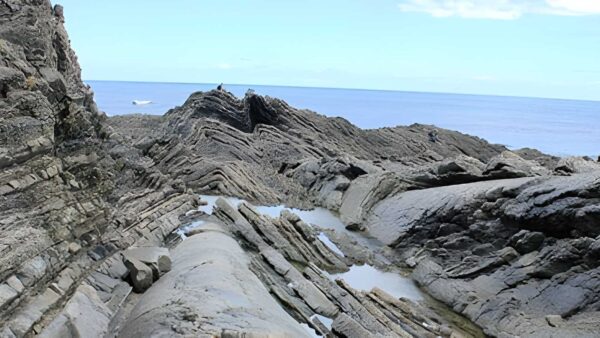

Where Ancient Rocks Meet the Southern Ocean at Cape Liptrap
Overview
Cape Liptrap Coastal Park stretches along the South Gippsland coast from Point Smythe to Waratah Bay, about 180 kilometres south-east of Melbourne. It is a varied piece of coast rather than a single landmark, taking in long beaches, exposed headlands, sheltered coves and heath-covered country behind the shore. The feel of the place shifts quickly with the weather, from calm and open around the bay beaches to raw and wind-shaped along the more exposed ocean edge.
What gives Cape Liptrap its character is the way old geology and changing coastal landforms sit side by side. Ancient Cambrian rocks, limestone cliffs and more recent sands all appear within the park, which is why this stretch of coast has long been recognised for its geological significance.
Highlights
The standout feature here is the coastline itself. Cape Liptrap has sheer cliffs, sea caves, rock stacks, broad rock platforms, sandy beaches and sheltered inlets packed into a relatively small area, so the scenery keeps changing as you move along it. Around the cape and at Waratah Bay the coast feels especially dramatic, while Point Smythe adds a very different shape again with its mobile sand spit and low-lying shoreline.
That contrast is a big part of the appeal. One section can feel soft and quiet, with pale sand and gentler water, while another is all exposed stone and ocean swell. On clear days there are wide coastal views, and in rough weather the park takes on a harder, more elemental look.
Best Time to Visit
Cape Liptrap works well in different seasons because the coast shows a different side of itself through the year. Warmer months suit beach walking and longer daylight by the water, while the cooler months often bring the stronger winds and bigger seas that make the headlands and rock formations feel most dramatic.
Spring is a particularly rewarding time if you are interested in wildflowers and birdlife, with the heathlands and coastal vegetation at their liveliest. Even outside peak summer, this is a place that tends to reward a visit when you want fresh air, changing skies and a coast that never looks quite the same twice.
Plants and Animals
The park protects extensive heathland, coastal forest and woodland, with about 270 species of flowering plants recorded, including 27 orchids. Those heathlands are one of the defining plant communities here, and they help give much of the inland edge of the coast its dense, scrubby texture.
Cape Liptrap also supports a mix of threatened and notable wildlife. Hooded Plovers breed on the ocean beaches, migratory birds use the coast as a corridor, and species such as the Swamp Antechinus and Powerful Owl are part of the park’s fauna. The diversity comes from the variety of habitats packed into the area, from beach and dune systems to heath and coastal woodland.
Culture and Heritage
Cape Liptrap has a long record of Aboriginal presence, with numerous middens and other significant Aboriginal sites recorded in the park. These places form an important part of the area’s cultural heritage and sit alongside later coastal history.
There are also visible reminders of more recent settlement and industry. Relics of the lime-burning industry remain around Walkerville, and the Cape Liptrap lighthouse was established in 1913 to improve the safety of coastal shipping.
Find more places to explore…
Help expand the trail collection!
Know of an official trail not listed on Trail Hiking Australia? I’m focused on showcasing the best tracks managed by land managers, and I’d love your help! Sharing a trail adds to our community and helps others discover safe, new adventures.
Submit your trail here

